
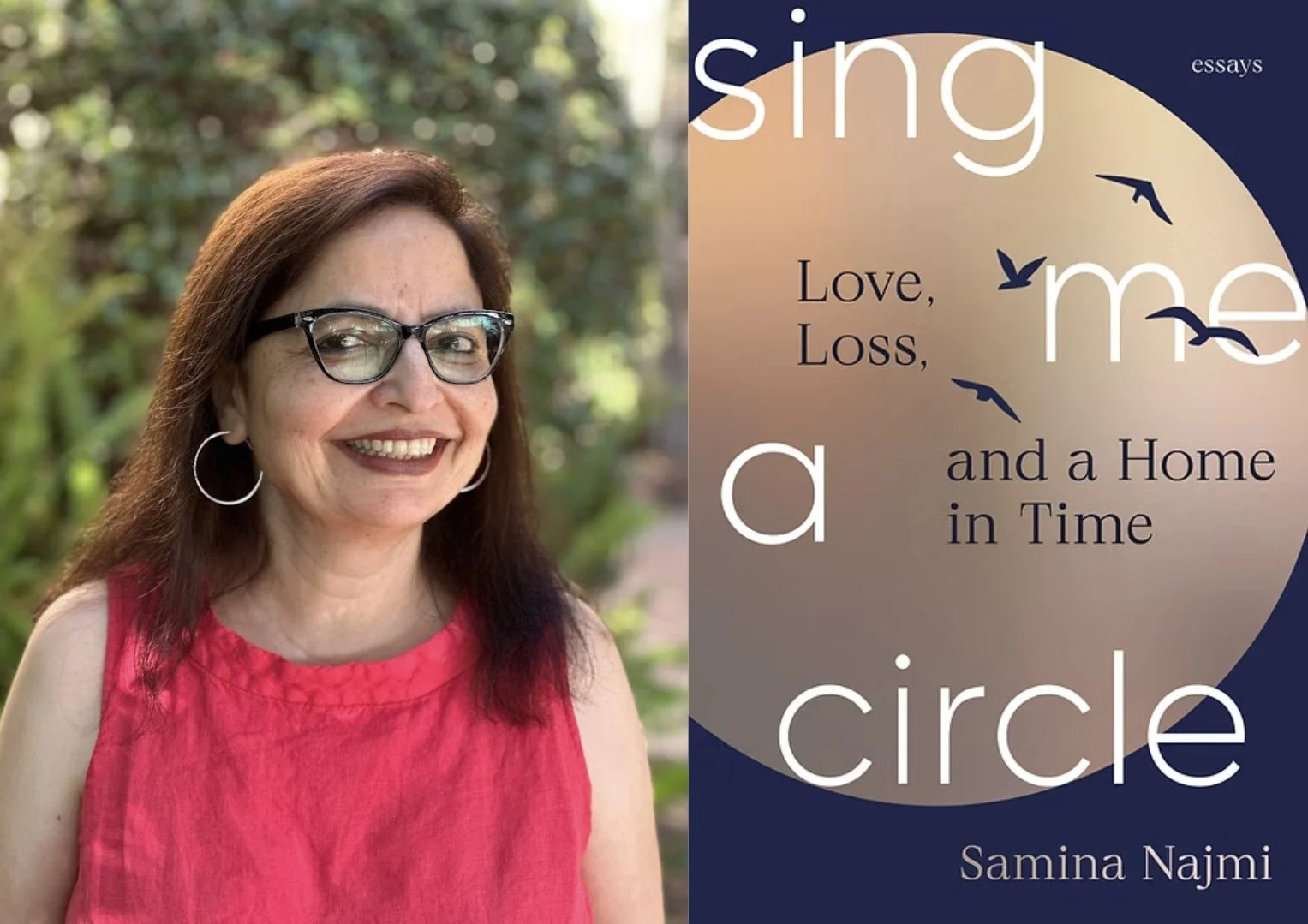
“The past is often painful terrain to go over, but individuals in each generation have to make sense of that inheritance for themselves—to acknowledge it, reckon with it, choose what to keep and what to leave behind.”
Read More
A Normal Interview with Vauhini Vara by Talia Kolluri
[T]he argument I’m making in the book is that by resisting the narrative of inevitability offered by Big Tech companies and their CEOs and investors, we might open ourselves up to other possibilities — maybe possibilities we haven’t even imagined yet…
Read More
A Normal Interview with Trinity Nguyen by Hope Vang
“I think grief and loss were natural themes that emerged as I wrote. Since the American War in Vietnam is such a recent event, it touches every aspect of my characters and their story. In a sense, I couldn’t have written a novel about a Vietnamese American girl going to Vietnam without exploring the diasporic grief and these complex feelings related to home and belonging.”
Read More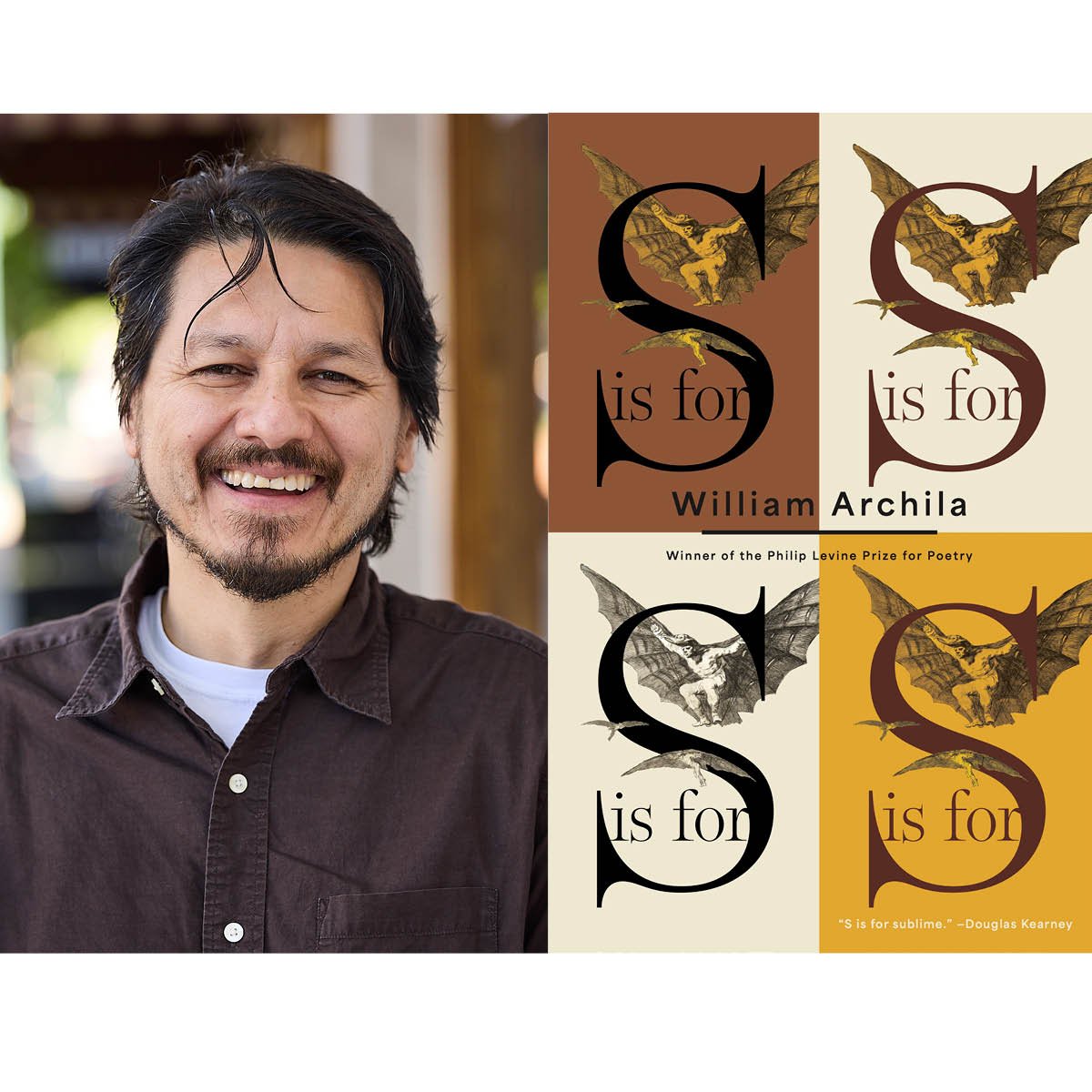
A Normal Interview with William Archila by Angelina Leaños
This is the great thing about immersing myself in the world I am creating in my work. The tropes, concepts, the culture and history, the places and characters, they all come together.
Read More
A Normal Interview with Victoria Chang by Shelby Pinkham
The whole process was so joyful, and it always is, even when I'm writing about sad things. I think it’s joyful because the thing I’m making is actually helping me process my own experiences and perception.
Read More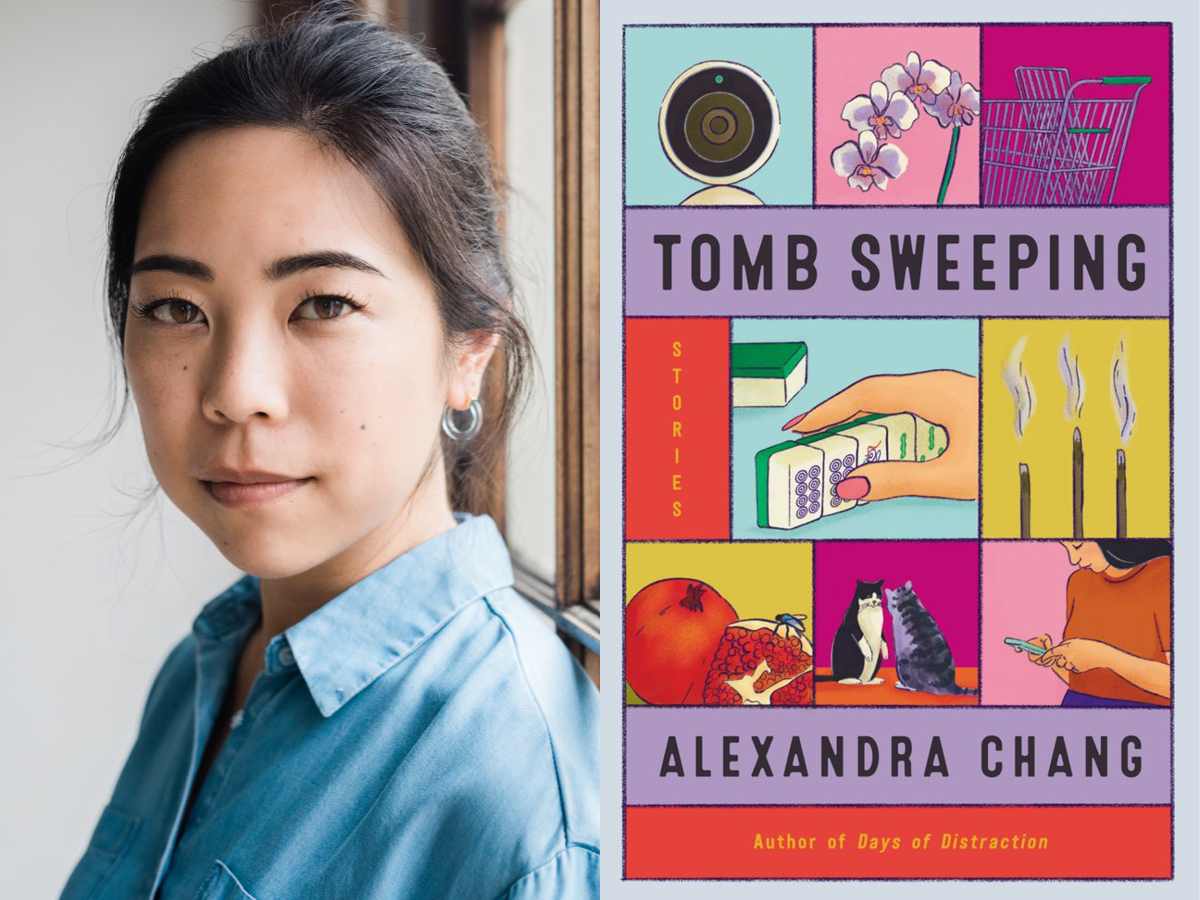
A Normal Interview with Alexandra Chang by Phoua Lee
I’m not interested in likability with characters. I am drawn to characters who are complex, contradictory, and very particular in the ways that they might exist in the world, and that they are capable of holding contradictory views. That is how I see people.
Read More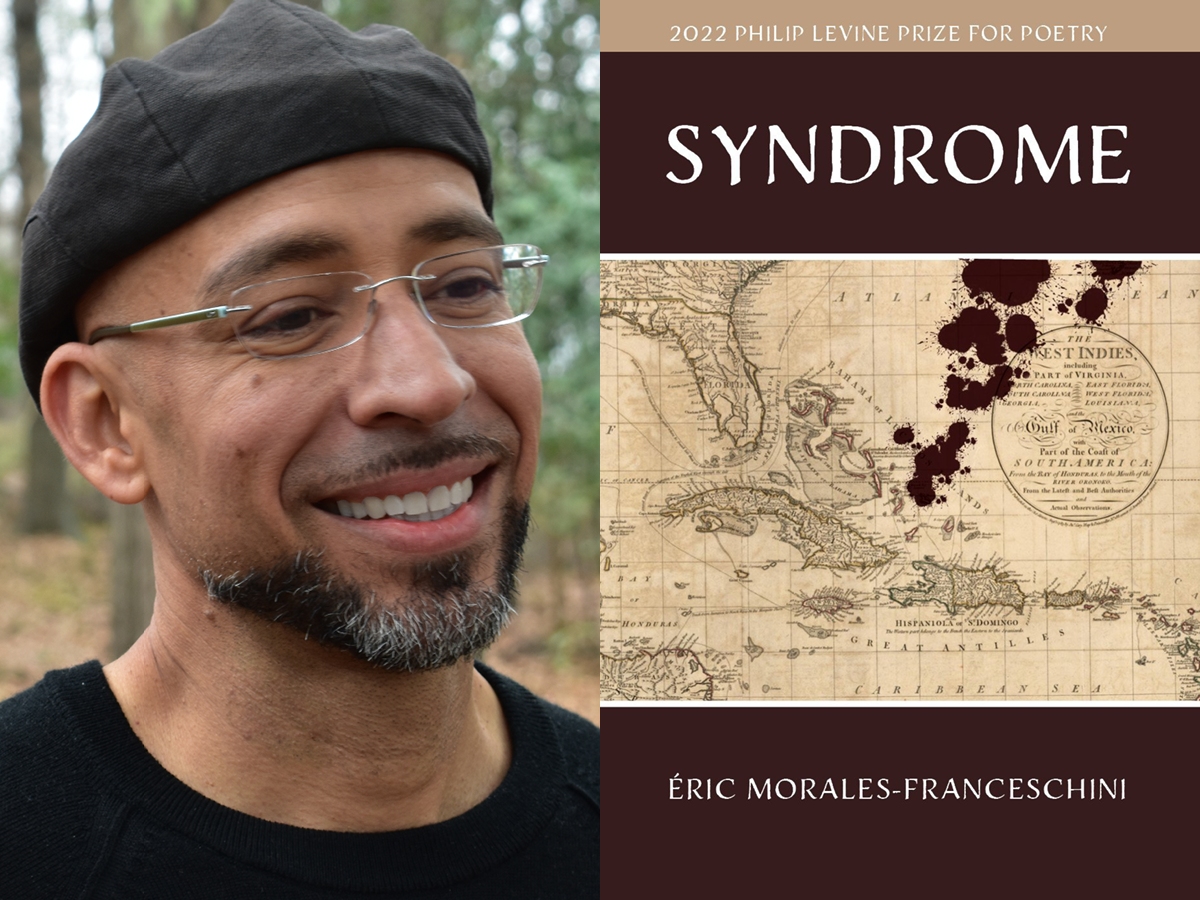
A Normal Interview with Éric Morales-Franceschini by Victoria Monsivaiz
My poetry is indeed heavily indebted to my studies in history, psychoanalysis, political economy, and critical social theory; but I find that, at times, only via poetry can I adequately express the gravity and intricacy of not just a given fact, but what I should (like to) do in light of that fact.
Read More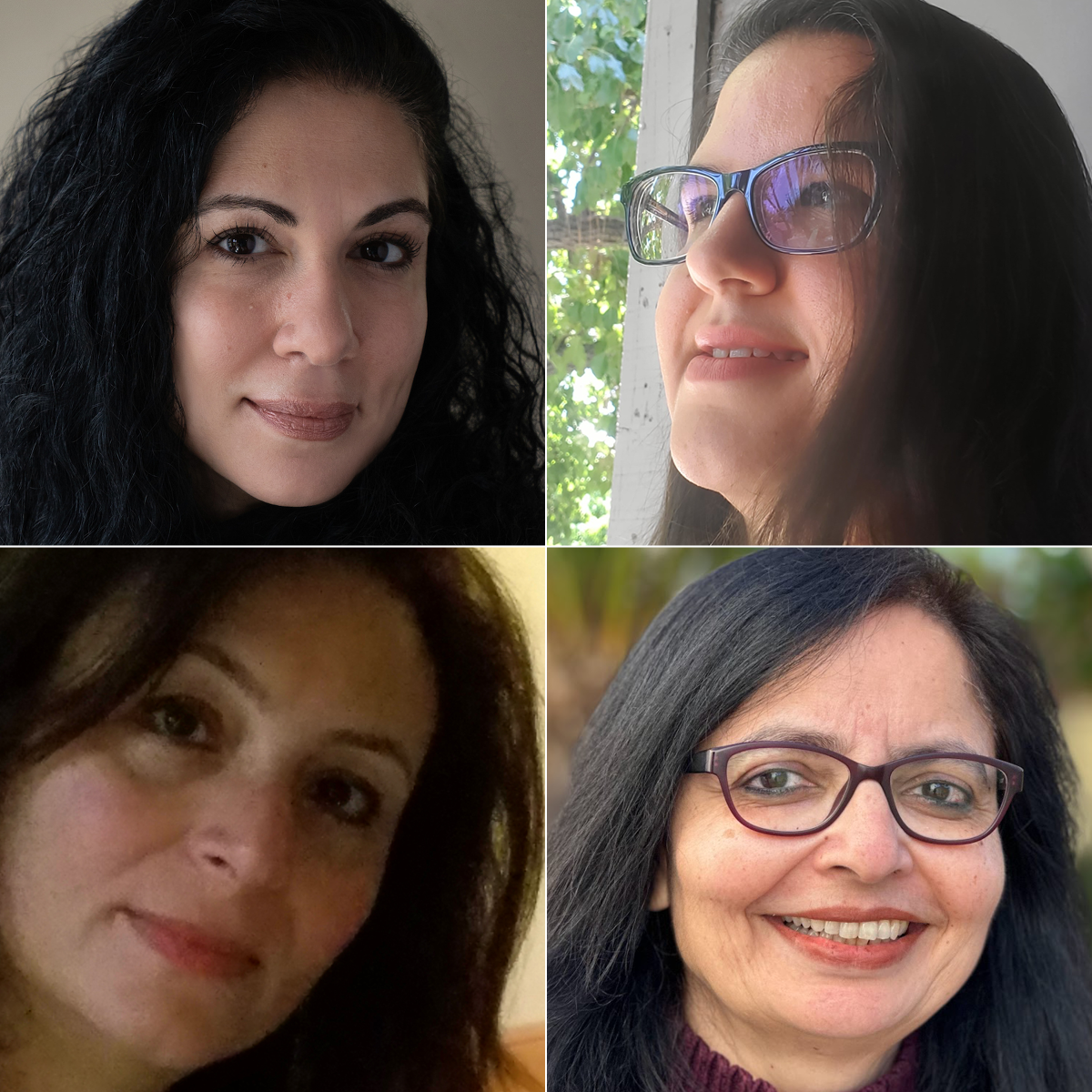
The Velvet Air of Gaza: A Conversation with Three Palestinian Writers
I still think it is essential to at least sometimes focus on aspects of Palestinian culture and heritage outside of the conflict with Zionists. Doing this shows that we are not only defined by the current suffering and brutality; it is definitely part of the Palestinian experience, but it is not all of it.
Read More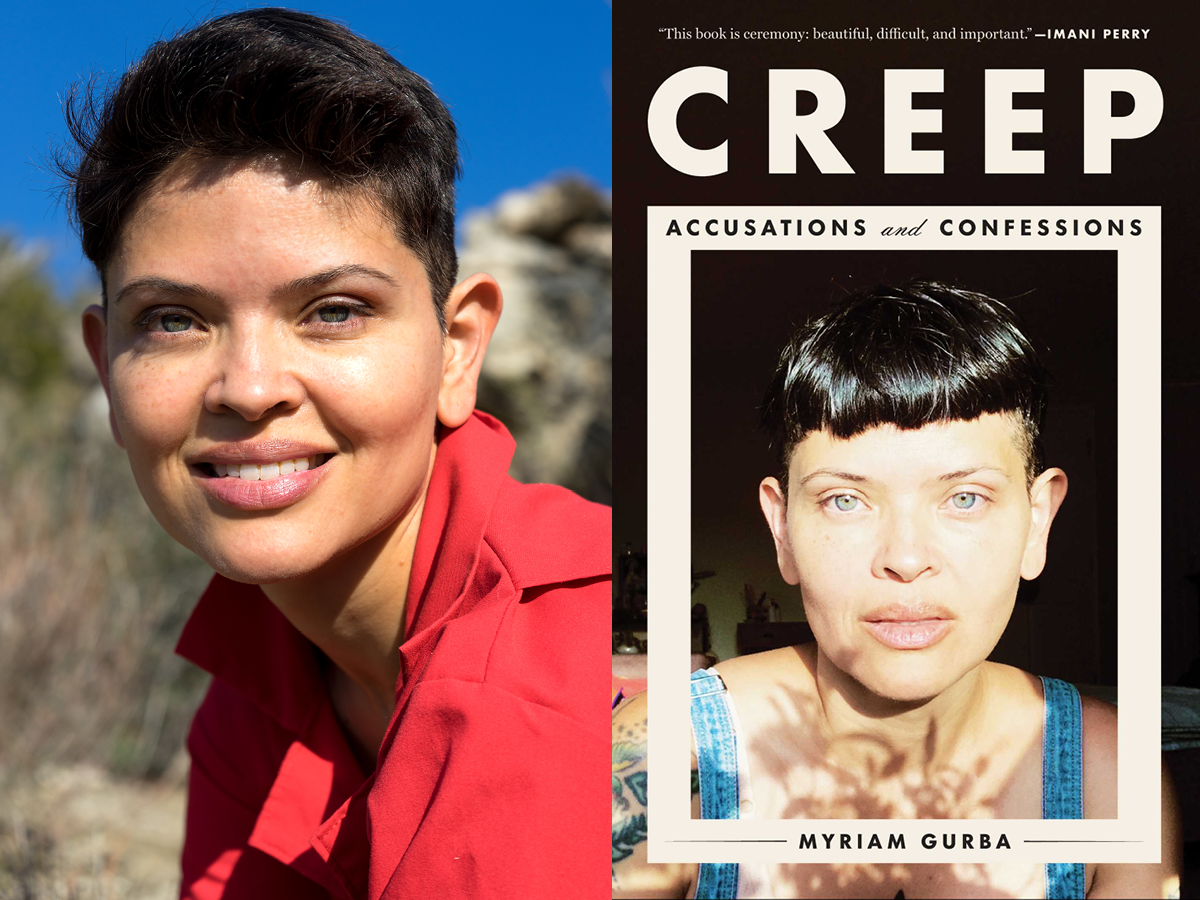
A Normal Interview with Myriam Gurba by Monique Quintana
A Gothic style is ideal for narrating the conquest of the West because it’s a horror story that continues to unfold. Horror tropes that have their roots in the Gothic are ideal mechanisms for that type of narrative.
Read More
A Normal Interview with Ghassan Zeineddine by Lena Mubsutina
I have always loved creating different kinds of characters from various generations, genders, sexual orientations, and socioeconomic classes. I think it’s just a matter of doing those characters justice and treating them with empathy and compassion.
Read More
A Normal Interview with Béatrice Szymkowiak by sami h. tripp
"I think art holds the power to shift and multiply perspectives, which the world desperately needs right now. Single-mindedness is dangerous. What I love about poetry in particular, is its capacity of subversion, of dissent, against ideas but also against language itself, as language and ideas are intertwined."
Read More
A Normal Interview with Allegra Hyde by Mialise Carney
I think artists and writers are really important in terms of addressing the climate crisis. Everybody, ultimately, is important—it’s an all hands on deck kind of situation—but artists and writers have the ability to make sense of a problem that otherwise seems vast and intangible.
Read More
A Normal Interview with KB Brookins by James O’Bannon
Rage is a thing that has to be birthed, because we do so much course correction – or at least my experience has felt like, at multiple times, someone has done something anti-Black to me, someone has done something racist, homophobic, transphobic, and I feel, in that moment, I can’t react the way that I want to.
Read More
A Normal Interview with Maya Pindyck by Caleigh Camara
"I think we grapple with those stories we cannot reconcile by writing them again and again, maybe each time with different 'others' in mind, and for a future people we hope to touch."
Read More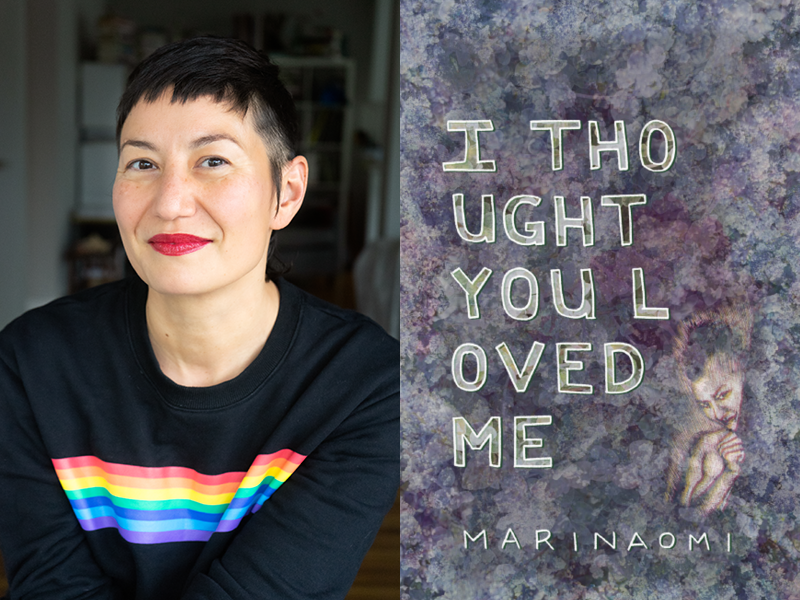
A Normal Interview with MariNaomi by Lee Lee
My first pieces were our letters and notes to each other, our photographs, and the boxes full of journals I read through, one by one. Once I put it all together, it felt significant. As I collected them, it felt like a scavenger hunt.
Read More
A Normal Interview with Will Betke-Brunswick by Sydney Allison Hinton
"People expect mammals to smile and frown, to have expressive eyebrows, and to make certain gestures with their hands, arms, and front legs. Drawing flightless birds frees me from so many expectations and gives me more space to play."
Read More
A Normal Interview with Katie Ives By Rosie Bates
Climbing can be an enticing pursuit for writing because a climb is a natural story… Basically, anytime you go on a climb, even if it’s just a backyard climb, you’re tracing a narrative or the form of a narrative arc with your hands and your feet.
Read More
A Normal Interview with Talia Lakshmi Kolluri by Samina Najmi
I have always come to both reading and writing from a somewhat genderless space. What I mean is that both writing and reading have been mechanisms for me to try on different lives and experiences.
Read More
A Normal Interview with Manuel Muñoz by Manuel Farias
"What we think is a really small, isolated place turns out to be the center of somebody else’s world."
Read More
A Normal Interview with SJ Sindu by Nicholas Howard
I think it’s important for writers to rediscover wonder. Without wonder, writing becomes stagnant and preachy. If you haven’t found your place of wonder yet, think about the kinds of spaces that make you ask questions, that make you see in a new way.
Read More