• Home
    • Nonfiction
    • Fiction
    • Poetry
    • Multi-Media
    • Art and Photography
    • Interviews
  • Print Archive
    • Music Column
    • Pop Culture Issue
    • Anthology
    • Who We Are
    • Submit
    • Contact
Menu

The Normal School

  • Home
  • GENRES
    • Nonfiction
    • Fiction
    • Poetry
    • Multi-Media
    • Art and Photography
    • Interviews
  • Print Archive
  • Special Features
    • Music Column
    • Pop Culture Issue
    • Anthology
  • About
    • Who We Are
    • Submit
    • Contact


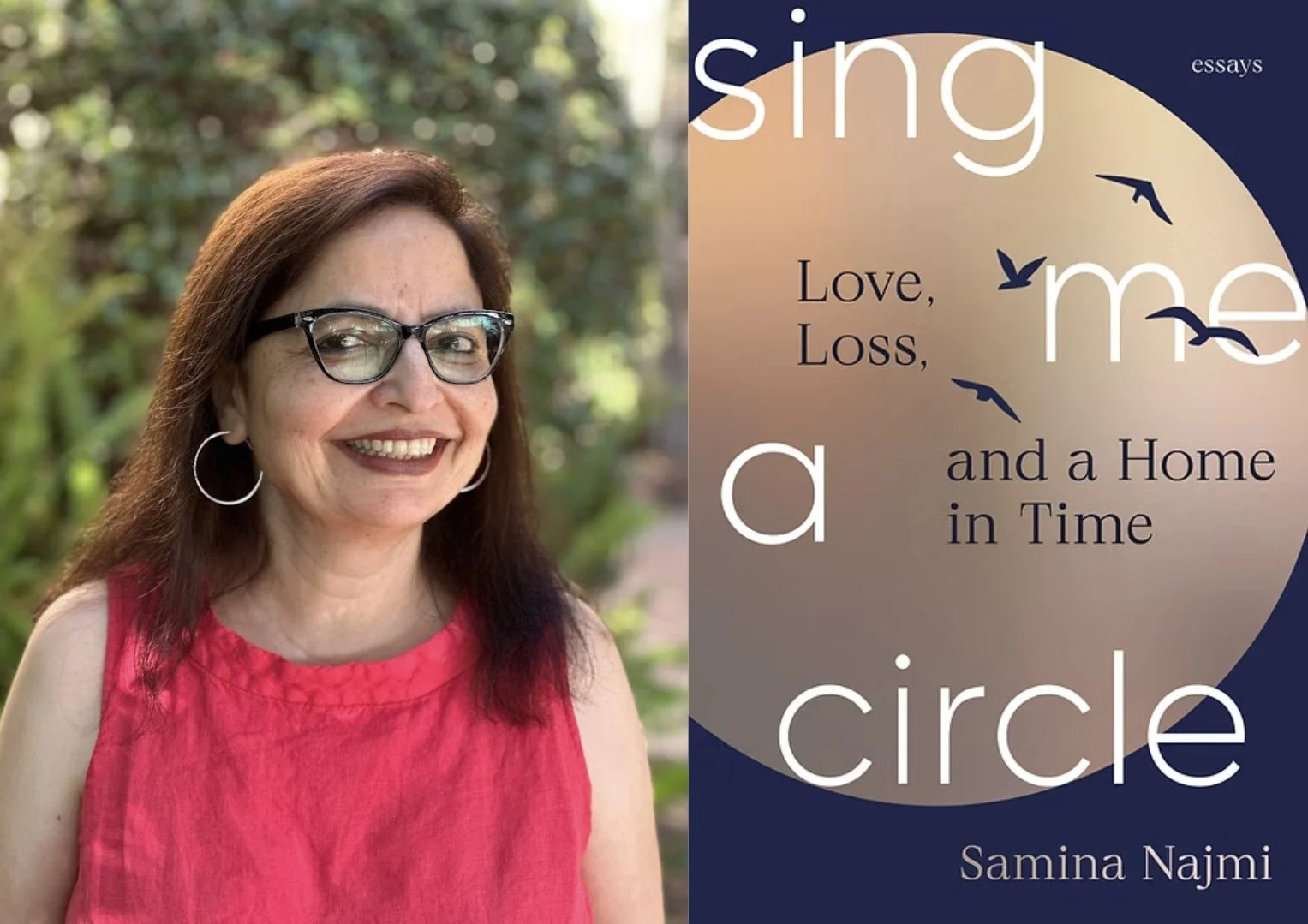
A Normal Interview with Samina Najmi by Isabella De La Torre

February 16, 2026

Samina Najmi’s debut memoir, Sing Me a Circle is a deep reflection of the author’s origins, experiences, and haunting moments that have shaped her identity. Through love and loss, these essays show us how the idea of home evolves through time and memory. 

In an interview, we discuss the writing process with Samina Najmi and how the themes and powerful moments in Sing Me A Circle reveal to us about ancestry and how our origins mold us as individuals.

Isabella De La Torre: Firstly, I wanted to start off by asking you about your experience working with Trio House. What was the process like?  How does it feel to have your first book out in the world?

Samina Najmi: I'm honored and delighted to be in conversation with you, Isabella. Working with Trio House Press has been a positive experience. They’re a small independent press based in Minneapolis, publishing mostly poetry since 2012. I hadn’t heard of them until I saw their call for manuscripts for the 2024 Aurora Polaris Award in an issue of Poets & Writers, and circled it. Then our own Mai Der Vang included the call on her LitOpps list, so I did further research on the press. I liked their mission, took a deep breath, and submitted my manuscript to them. As you know, it won the contest. Sing Me a Circle is only their second Aurora Polaris winner, so we’ve grown together in the process. I’m impressed how fast they moved to publication. I began writing my memoir-in-essays in 2011, so it had a long gestation period, but once it got to Trio House, the book was birthed in exactly nine months. That’s seven months before the official October 1 publication date! 

How does it feel? Still pretty surreal. I have coedited collections of scholarly essays before, but there’s something about my life-writings being gathered and shaped into a book that feels truly a first. It’s been thrilling, humbling, and occasionally unsettling to let the world in like that. But mostly, I’ve been feeling very moved by the love, especially in Fresno.

Isabella De La Torre: I also wanted to ask more about the structure of your book. What connections did you find between each essay as you began to compile this book? The essays seem to build on each other, with each one informing and reflecting on the other (a circle!). Was the process difficult?

Samina Najmi: Thanks for seeing that relationship among the essays. Such a great question. I think the fact that I wrote these essays over a period of ten years has a lot to do with the structure. There’s a zooming out that has to happen so you can see the whole in any book you’re putting together, but for me it also meant looking at the events and preoccupations of the essays as they emerged over time. On some level, they were so disparate—far-flung settings, people and places long gone, and present situations that seemed to have nothing to do with them. But ultimately, they’re all held together by a single consciousness, so I began to see the patterns. I wouldn’t claim that the process was easy, but in looking at the essays together, which also meant looking back through time, I was surprised how consistent that consciousness had remained. Perhaps we obsess about the same few things in life—in my case, family and home and the mystery of time—just in different contexts, and from varying perspectives? I decided to divide my essays into three very loosely chronological sections, maybe because that bit of contouring gave the book greater definition. But you’re absolutely right that the essays inform and reflect on one another, so you could read them in any order.

Isabella De La Torre: Speaking of relationships and crafting, do you have any specific writing rituals or ways to get your thoughts organized before writing? What techniques do you use before working on essays or larger works?

Samina Najmi: I wish I could say I write every day, but that’s a practice I have yet to cultivate. When I feel an essay coming on—usually when I’m preoccupied with a thought or feeling—I set my alarm for 4 am the next morning. That’s my golden hour for generative writing. If I write with full-on focus for 2-3 hours, it’s a very good writing day. I might tinker later, but the wee hours are the single most important writing ritual for me. For the past nine or so years, my navy-blue armchair in the living room has served as my writing station. I used to sleep in it while I was pregnant with Maya and Cyrus long years ago, but it now inspires other kinds of creativity.

Isabella De La Torre: Diving deeper into the themes of the book, I noticed that the collection deals with the themes of place and home, detailing how keeping our families and stories close to us keeps us grounded in our identities. To you, what is the importance of remembering these stories?

Samina Najmi: Teaching American Indian Literature every so often, especially as a writer of creative nonfiction, has taught me so much about the interconnections of history, memory, identity, and story. I think often of a line from Kiowa writer N. Scott Momaday’s family memoir, The Names: “If I were to remember other things, I should be someone else.” They say memory is selective; what we do and don’t remember matters because memory shapes our identities and our stories. You might also say our families are our stories. They give us context, an origin story, and a sense of place, but also a frame of reference for our future trajectories. Our lives are relational—as Cree scholar Shawn Wilson illuminates so eloquently in Research as Ceremony—and family may be the most significant of those relations, one way or another. How do we tell our own stories, to ourselves and others, without them? 

Isabella De La Torre: I like how you mentioned that our families become our stories. I also saw that reflected through the various locations presented in the essays. There are several countries mentioned in these collections of essays, including: The United States, Pakistan, and England. You articulate your experience with the intersection of these various cultures. You use the circle as a metaphor for our internal journeys, as we often retrace the steps of our own past and the past of the generations before us. Why do you think the act of retracing is necessary for us to come to terms with our identities?

Samina Najmi: A life lived on the intersections of nations, cultures, faiths, and languages can be hard. As a child, I wanted only to belong, but no fit was exactly right. In time, though, I began to value my outsider-insider status because I realized it afforded me a richer perspective. Often it meant I could serve as a bridge. Empathy for others is a little easier to come by if your own experiences have been marked by hybridity. 

As to the necessity of retracing our journeys, I think the act of revisiting and retelling our stories grounds us in self-knowledge. The past is often painful terrain to go over, but individuals in each generation have to make sense of that inheritance for themselves—to acknowledge it, reckon with it, choose what to keep and what to leave behind—in order to know who they are and where they’re going. That’s how time layers our stories. As I grow older, I value more and more the perception of time and experience as circular. Again, contemporary American Indian literature demonstrates this in all genres; think Momaday, Leslie Marmon Silko, Louise Erdrich, and the queer feminist theorist Paula Gunn Allen in the 1980s, but also more recent writers like Mona Susan Power and Tommy Orange, among others. None of them treats time as linear. Because it’s circular and layered, like memory and grief and thought itself.

Isabella De La Torre: I also thought that “The Cat Connection” was such a touching tribute to the various cats that have come into your life. I saw that often in the essay, the animals and humans in the piece seem to reflect each other when it comes to addressing fear. Why did you want to tell the story of these special felines and discuss these themes?

Samina Najmi: You know, no one has asked me that question before! It makes sense that it comes from someone who centers animals in her own life. I didn’t grow up with pets. Animals in poorer countries usually have to make it on their own. But the story of my relationship with cats, in particular, is complicated, as you know from “The Cat Connection.” I grew up with nightmares about them, and I have no idea why. (To go back to your earlier point: If there’s a story there, it’s lost to me without the memory.) Winnie and Snickers, the cats we adopted a dozen or so years ago, have slowly intervened in my phobia. I’m still not comfortable holding them, though I love and care for them. But here’s the thing: I have always wished for a fuller relationship with animals. Even as a child, I didn’t want to eat them as beef or chicken. The first cat I knew was my husband’s yard cat MoeMoe in Massachusetts, and I loved taking photos of the two of them together. It was the closest I could get to having a relationship like that. After MoeMoe died, our grief made us both vegetarian because the cognitive dissonance of grieving for one animal and eating another was hard to stomach.

I didn’t set out to write about cats, but their stories are so bound up with mine that inevitably they popped up in places. Stories of fear, but also of place and habit, and learning to anchor oneself in the moment. While Muslim cultures tend to elevate cats, most Indigenous oral traditions and creation stories—look at me circling back to our course!—simply don’t endorse hierarchies between human and animal, to begin with. We have much to learn from animals if we can get our egos out of the way long enough to observe them respectfully. (Shoutout to Fresno writer Talia Kolluri, whose short stories do just that.) My relationship with Winnie and Snickers has acquired more depth and dimension since the fire in my home. And as I write, Winnie, now a venerable thirteen years old, is beginning a new life in Houston with Cyrus. My first essay of the year is prompted by Winnie’s migration.

Isabella De La Torre: I loved seeing that blossoming relationship between you and your cats. I hope to read more about them! After this publication, are you looking to try something new with your writing? What direction do you believe that you are heading in?

Samina Najmi: Yes to something new! I’m still working within the genre of the personal essay—it’s such an expansive genre—but the next collection is likely to be less sprawling in time and space. I’m working on a narrower canvas, a period of time some years ago when fire, breast cancer, and empty nest coincided with the pandemic. I’m sure these themes won’t remain bounded, but will find connection to other themes. After all, everything’s connected. 

I’m also keen to learn more about the craft of poetry. Some readers have commented on Sing Me a Circle as a hybrid book, a memoir-in-essays incorporating poetry. As a literary critic, I know that sometimes readers illuminate things in an author’s writing that may have eluded the author. So, I’m curious to explore the lines between prose and poetry, particularly since some of my recent essays have been condensing to flash. I see the value of genre containers, but sometimes our writing spills out of them. I figure I must get out of my own way in order for my writing to grow.


Samina Najmi teaches multiethnic US literature at California State University, Fresno. Her memoir-in-essays, Sing Me a Circle: Love, Loss, and a Home in Time, won the Aurora Polaris Award in Creative Nonfiction and was published by Trio House Press in Oct, 2025. It has received a starred review from Publishers Weekly and is featured among Poets & Writers’ five nonfiction debuts of the year. It is also included in the Best of 2025 roundups by Debutiful and the Community of Literary Magazines and Presses (CLMP). Samina’s essays have been nominated for the Pushcart Prize and have won other honors. Daughter of multiple migrations, Samina grew up in Pakistan and England, and has lived in Fresno since 2006. Twenty-five years after obtaining her doctorate, Samina has enrolled in Fresno State’s MFA program in creative nonfiction, and this is keeping her humble.

Isabella De La Torre is a second-year MFA creative writing student studying poetry. In the future, she hopes to be a college professor and get her PhD in English literature. Her poetry has been published in Honeyguide Literary Magazine, the Behemoth Biennial, and others.

In Interview Tags Samina Najmi, Isabella De La Torre, A Normal Interview with Samina Najmi by Isabella De La Torre, Interview, 2026 Winter

A Normal Interview with Vauhini Vara by Talia Kolluri

April 16, 2025

[T]he argument I’m making in the book is that by resisting the narrative of inevitability offered by Big Tech companies and their CEOs and investors, we might open ourselves up to other possibilities — maybe possibilities we haven’t even imagined yet…

Read More
In Interview Tags Vauhini Vara, Talia Lakshmi Kolluri, Interview, 2025 Spring

A Normal Interview with Trinity Nguyen by Hope Vang

April 16, 2025

Trinity Nguyen’s debut novel, A Bánh Mì for Two, is a queer YA romance novel that celebrates sapphic love, family relationships, and friendships while also exploring the history, language, and culture of Vietnam. Suffering from writer’s block from her food blog, Lan, a Saigon native, agrees to help Vivi, a Vietnamese-American student on a study abroad trip, uncover Vivi’s mother’s hidden past in exchange for a food tour that will hopefully reignite Lan’s love of writing. As they explore Saigon together, rekindling old memories and making new ones, their friendship blossoms into something stronger as they also find a sense of belonging with each other.

In an email interview, Nguyen and I discuss the theme of secrecy that connects Vivi and Lan to the mysteries of their families’ pasts and draws them even closer to each other, as well as the research Nguyen conducted to capture Saigon’s bustling and romantic atmosphere.

Hope Vang: In your book, there are a lot of interesting parallels between the mother-daughter relationships. What was your inspiration behind creating these layered relationships?

Trinity Nguyen: I wanted to portray the relationships between Vietnamese daughters and their mothers. Vivi and Lan’s relationships with their respective mothers are very different yet also similar. I wanted to write and portray relationships stemming from inherited grief, and the different ways daughters and mothers cope or react to that grief. In the beginning, the two main characters are foils of each other; Vivi hungers for her mother’s past while Lan readily accepts her current situation. By the end of the book, they realize they have a lot more in common than not. 

Vang: Whether it is the physical loss of a loved one, the loss of cultural connection to the motherland, or the loss of a home due to war, how has grief or loss in Vietnamese or Asian/Asian-American cultures impacted the way you characterized Lan and Vivi?

Nguyen: I think grief and loss were natural themes that emerged as I wrote. Since the American War in Vietnam is such a recent event, it touches every aspect of my characters and their story. In a sense, I couldn’t have written a novel about a Vietnamese American girl going to Vietnam without exploring the diasporic grief and these complex feelings related to home and belonging. For Vivi, she was easier to characterize because her experience is nearest to mine (and other Asian Americans I know). I wanted Vivi to feel that intense connection to the home that she’s ethnically related to but has never been to. For Lan, she is experiencing a multitude of different losses as well: her father, the passing of time and her own childhood, and the bone-deep generational loss since the war. Though these two characters come from different experiences, they connect through shared grief and loss.

Vang: Another theme you weave throughout the novel is the idea that some things are kept a secret for a reason. I thought it was a beautiful way to include not only the personal experiences of Lan, Vivi, their mothers, and even Lan’s cousin Triet, but also a touching ode to the Vietnamese communities in Vietnam and in the diaspora. Everyone in your novel has their own story that is meant not to be shared. How does secrecy tie in with the complexity of storytelling?

Nguyen: I love this question! It was difficult at first to not be too eager and over-explain myself. I felt very protective of the characters (especially the mothers) and had to hold myself back from defending them. I’m aware of how bratty Vivi may come off at first, as well as how some readers may find Vivi’s mother’s attitude perplexing—but I had to give the characters their time to learn, and not “tell” them how to feel. In the same vein, I don’t want to overtly tell readers how to feel—I want them to read these characters’ stories and decide for themselves.

Vang: As writers, how can we benefit from secrecy?

Nguyen: This is something I’ve been trying to navigate as well! As a debut author, I wanted to describe everything. Now, I want to trust that readers can make their own connections. Also, as an author, I’ve realized I can’t tell everyone’s story–and sometimes, I simply don’t have the right to. 

Vang: I loved how you included blogging/food-stagramming and fangirl character in your novel. What inspirations led you to consider this for your novel?

Nguyen: In high school, my friends and I ran a foodstagram together for a brief time before we went off to college. I loved sharing meals (and gossip) with my favorite people, and I wanted to write those feelings into a book. Additionally, I’ve been a fangirl my entire life, browsing and running stan accounts on Tumblr, and Twitter (I refuse to call it X), and writing fanfiction. I love characters with an intense passion for their hobbies/interests. 

Vang: What research did you conduct to write about your book? What was surprising to learn about Vietnam or Little Saigon—about the cities, the people, or the food?

Nguyen: I read a lot of Vietnamese American fiction to see how other authors convey all these complex diasporic feelings. But I actually talked to family and friends in Vietnam more (going straight to the primary source) to really develop Lan’s character and story. I learned a lot about the food! Before writing the book, I had this preconceived notion that all these dishes have always existed. I was so surprised to learn how recent some of these fusion dishes are, and the ways they changed Vietnamese culture. 

Vang: As much as food is an important part of the worldbuilding in the story, you also do an incredible job of illustrating the city skyline of Saigon and focusing on looking up at the stars. Why did you choose to integrate the landscape into your story?

Nguyen: I love stories where cities feel as alive as characters! Ho Chi Minh City/Saigon is one of the biggest cities I’ve ever lived in and no other cities I’ve been to have ever held up to it. The city also has this unexplainable electric undercurrent running through it, and I hope I have captured that vibrant feeling of being there throughout the book. 

Vang: What inspired you to write a sapphic story between two Vietnamese girls?

Nguyen: I will say this was 100% indulgent. The only other sapphic Viet stories I can think of are from Aliette de Bodard, Nghi Vo, CB Lee, and Trang Thanh Tran (also my inspirations). We need more. 

Vang: I loved the pining and yearning between Lan and Vivi. Their love for each other felt so natural, growing out of curiosity and becoming inseparable from the city of Saigon while also learning more about themselves from each other. What is your advice on writing a believable romance?

Nguyen: Know your characters! It’s so much easier to write relationships when you understand the characters you are writing. I like to approach writing romance by listing out what my character lacks and how the other person can help them through it. It’s true for real life too, we seek partners that complement us. Also, I find it a lot more fun to write characters with opposing or different perspectives…then finding out they’re so much more alike.

Vang: How can writers ensure they’re conveying healthy relationships to young adults?

Nguyen: This may be controversial, but I don’t believe in always writing happily-ever-afters in young adult books. Coming of age is such an important moment, and I want to be careful about how we portray love and happiness. It’s important to make sure your characters go through their own complex journey and develop their own arc and not make them wholly dependent on the love interest. YA is one of the most impactful genres, and I believe we owe it to young people to have authentic (and realistic) relationships. 


Vang: I discovered your book on TikTok long before your book was announced for publication. How has TikTok or social media impacted your experiences as a debut author?

Nguyen: I credit social media for allowing so many readers to find me! When I sold the book, I had lots of doubt about being able to reach the right audience, but thankfully, so many queer Asians have shown me unwavering support—and for that, I’m so thankful. It’s been amazing seeing the data analytics part of social media (I work in marketing analytics for my day job, hah) and knowing that many readers are from cities with heavy Vietnamese populations (Houston, San Jose, and Garden Grove). On the flip side, though, I was grappling with how I was commodifying myself and my story—packaging it into two sentences for the For You Feed in hopes of grabbing people’s attention—and had to reflect on what ‘success’ as a debut author means. 

Vang: What are you hoping to explore in any future works or projects?

Nguyen: While I think I’ll always come back to YA, I do want to explore bigger themes that reflect the current sociopolitical climate. I hope to write (and learn) more about young adults navigating their intersectional identities—whether that be diasporic or queer identity—and how they are reacting to this changing world. Fiction informs reality (and vice versa), and I wholeheartedly believe there are lessons to be learned even in sub-genres such as romance or comedy.


Trinity Nguyen is a Vietnamese American author and graduate of Franklin & Marshall College. She was born in Viet Nam and raised in Little Saigon, California, and learned English by reading too many young adult novels and never turning off closed captioning. Her debut novel, A BANH MI FOR TWO, is a national independent bookstore bestseller and a 2024 Goodreads Choice Award Nominee. Trinity currently lives in Los Angeles with her cats and the succulents from her mom’s garden.

Hope Vang is a Hmong American master’s student studying English Literature at Fresno State. Her research interests include children’s literature, Gothic literature, Asian/Asian-American literature, and mother-daughter relationships. 

Trinity Nguyen author photo by Jonathan Montero

In Interview Tags Trinity Nguyen, Hope Vang, Interview, 2025 Spring

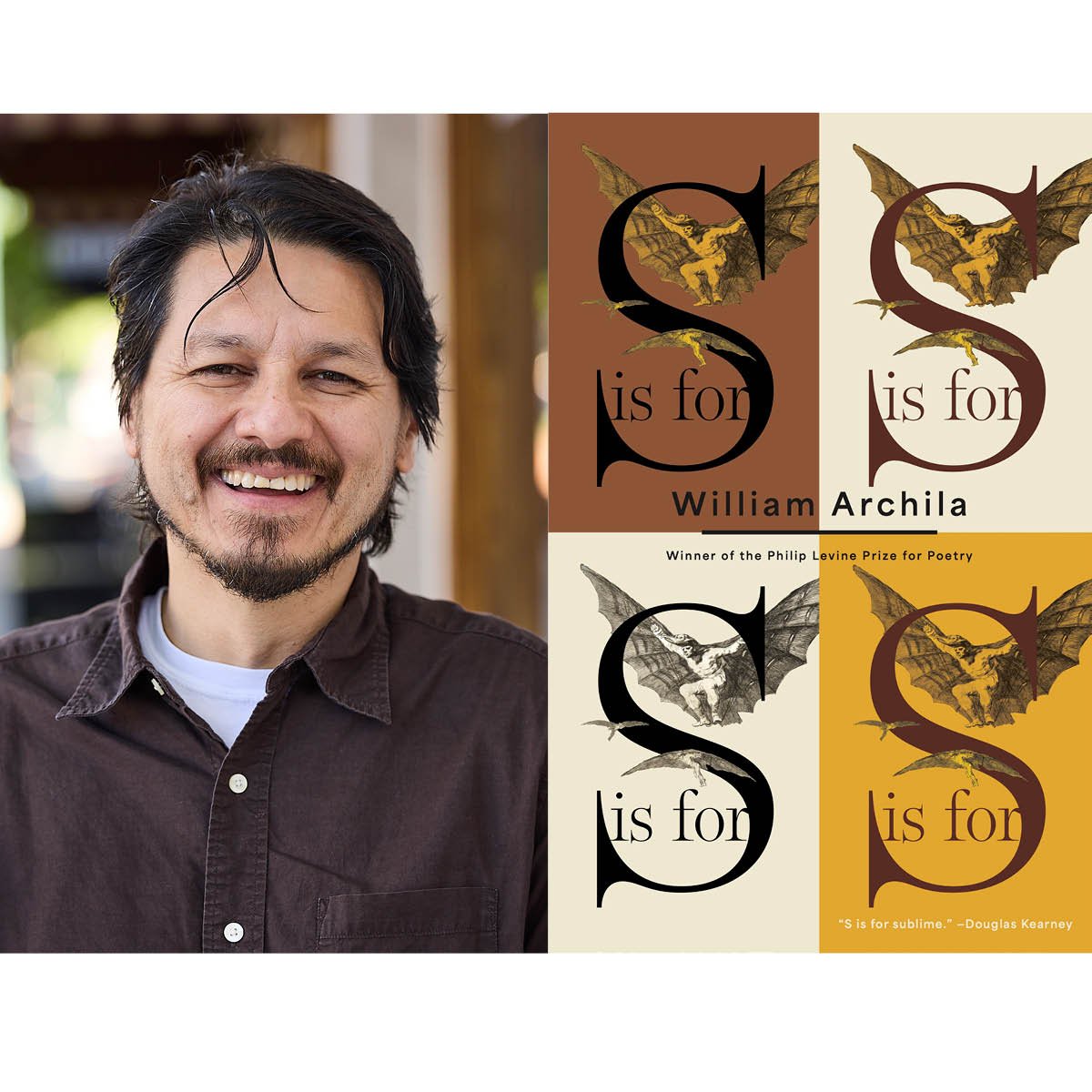
A Normal Interview with William Archila by Angelina Leaños

February 5, 2025

This is the great thing about immersing myself in the world I am creating in my work. The tropes, concepts, the culture and history, the places and characters, they all come together.

Read More
In Interview, Poetry Tags William Archila, Angelina Leaños, Interview, Poetry, 2025 Winter

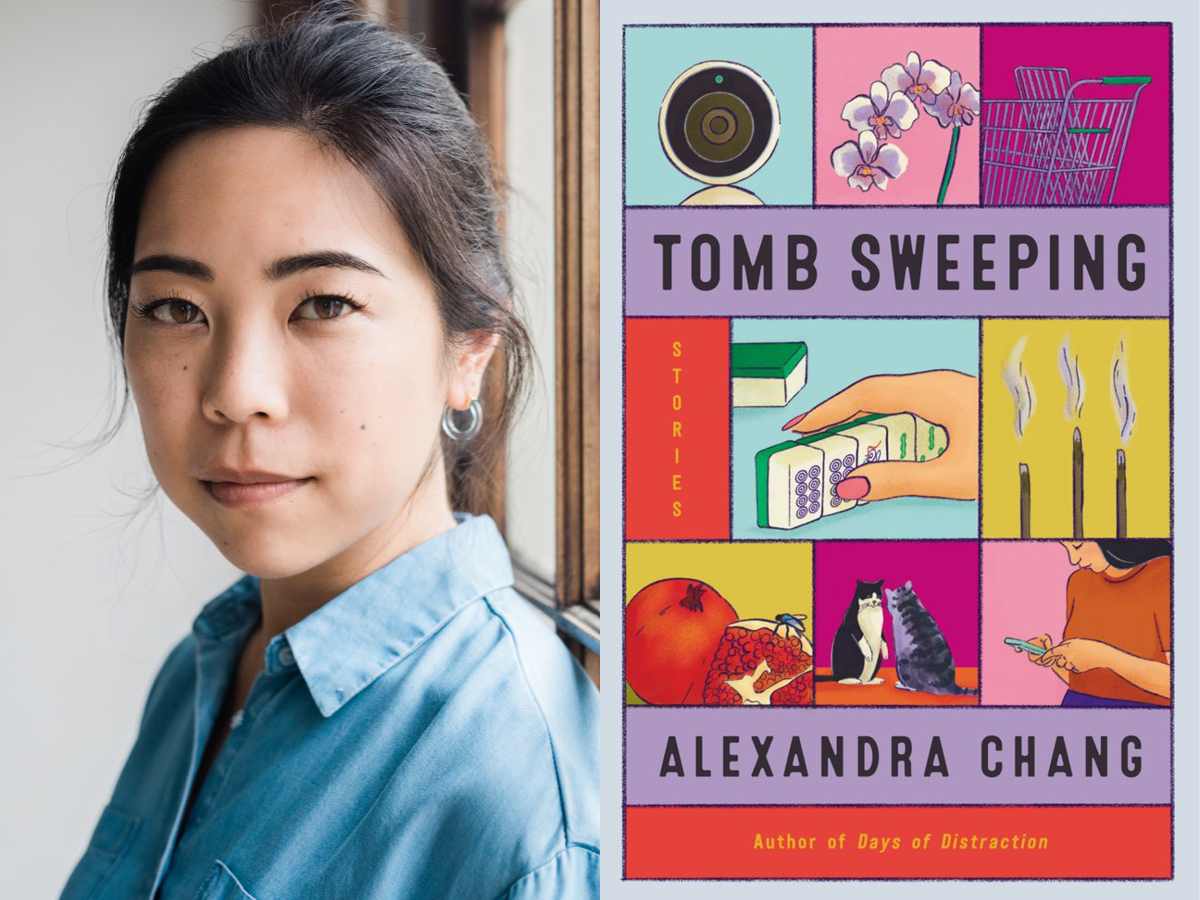
A Normal Interview with Alexandra Chang by Phoua Lee

April 8, 2024

I’m not interested in likability with characters. I am drawn to characters who are complex, contradictory, and very particular in the ways that they might exist in the world, and that they are capable of holding contradictory views. That is how I see people.

Read More
In Interview Tags Interview, Phoua Lee, Alexandra Chang, 2024 April, Genre, BIPOC

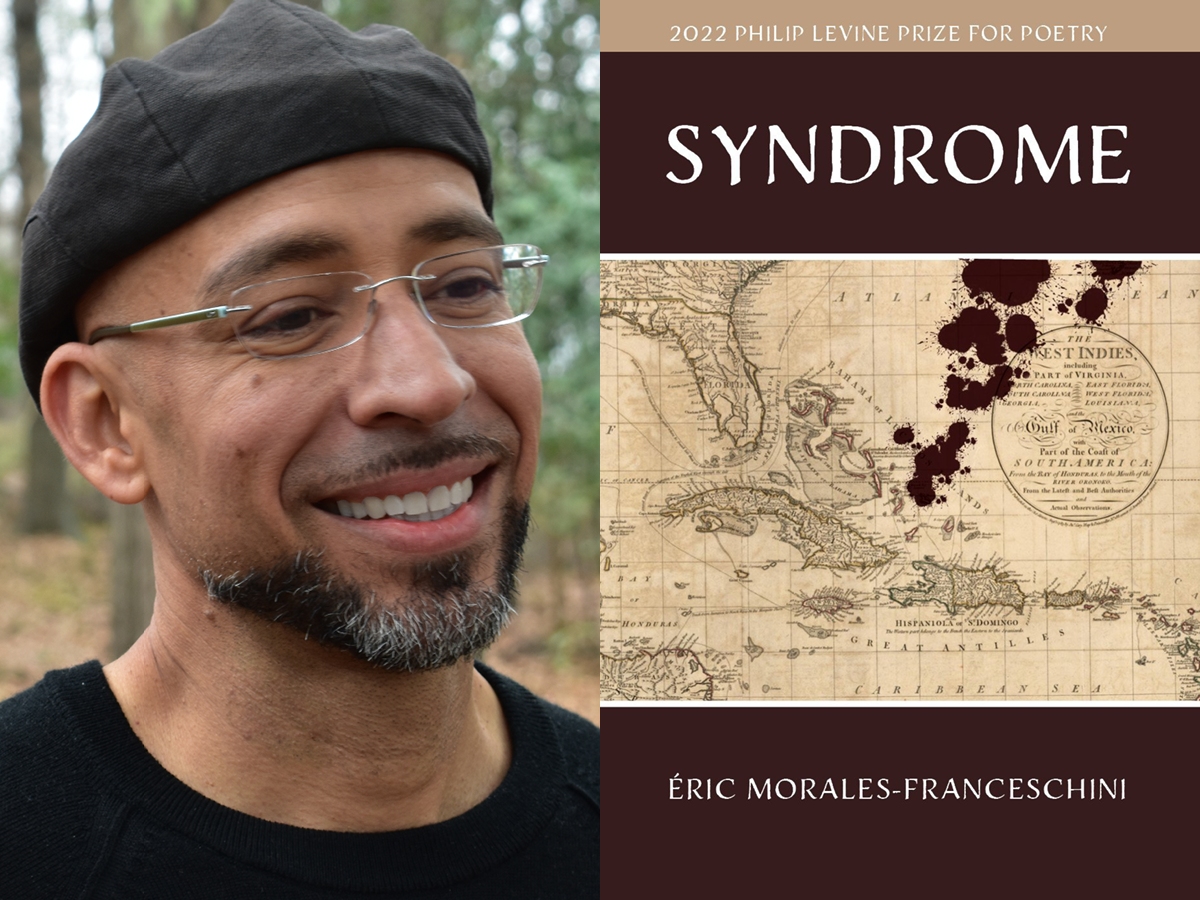
A Normal Interview with Éric Morales-Franceschini by Victoria Monsivaiz

March 6, 2024

My poetry is indeed heavily indebted to my studies in history, psychoanalysis, political economy, and critical social theory; but I find that, at times, only via poetry can I adequately express the gravity and intricacy of not just a given fact, but what I should (like to) do in light of that fact.

Read More
In Interview, Poetry Tags 2024 March, Éric Morales-Franceschini, Victoria Monsivaiz, Interview, Poetry

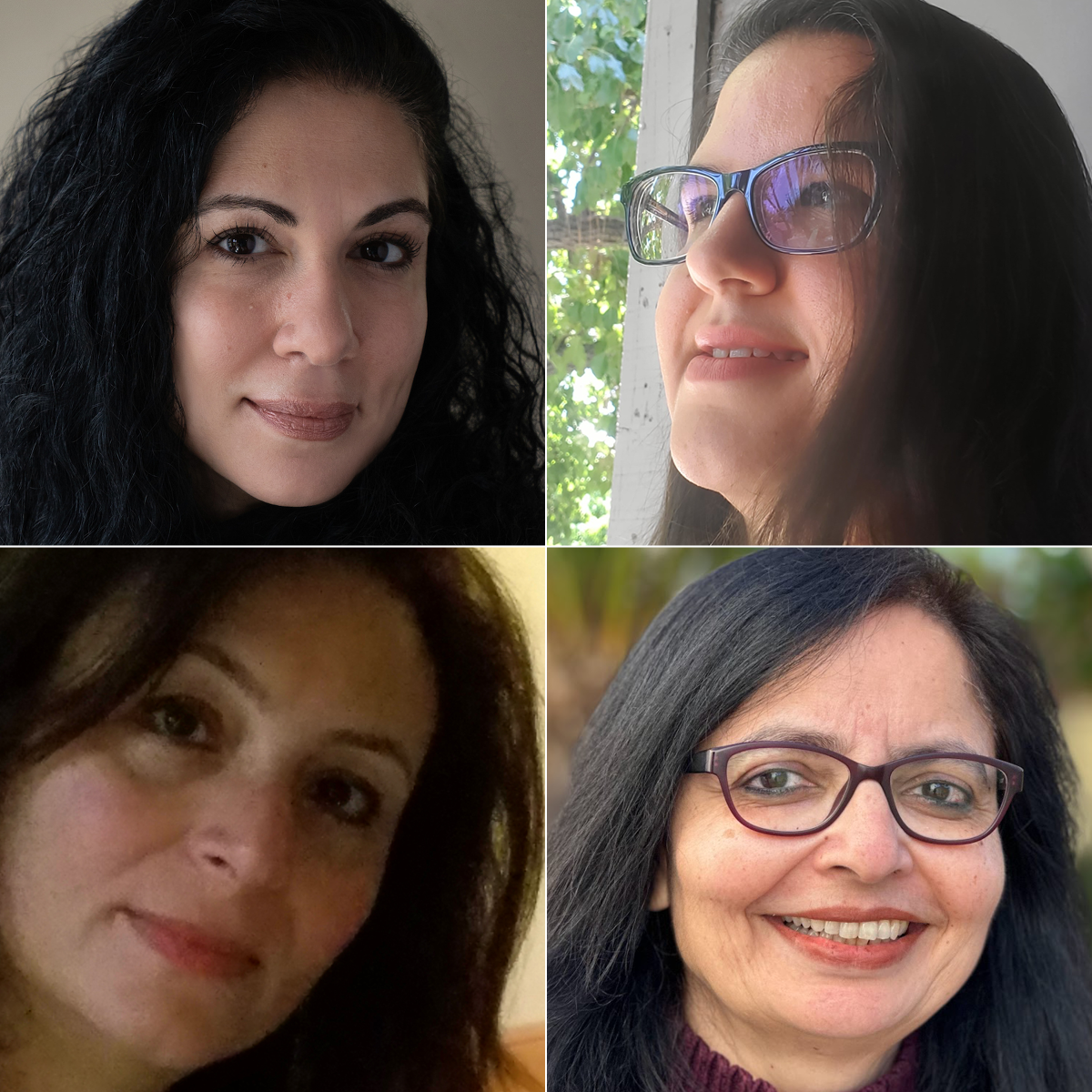
The Velvet Air of Gaza: A Conversation with Three Palestinian Writers

February 28, 2024

I still think it is essential to at least sometimes focus on aspects of Palestinian culture and heritage outside of the conflict with Zionists. Doing this shows that we are not only defined by the current suffering and brutality; it is definitely part of the Palestinian experience, but it is not all of it.

Read More
In Interview Tags Susan Muaddi Darraj, The Velvet Air of Gaza: A Conversation With Three Palestinian Writers, Lena Mubsutina, Deema K. Shehabi, Samina Najmi, Interview, Palestine, 2024 February

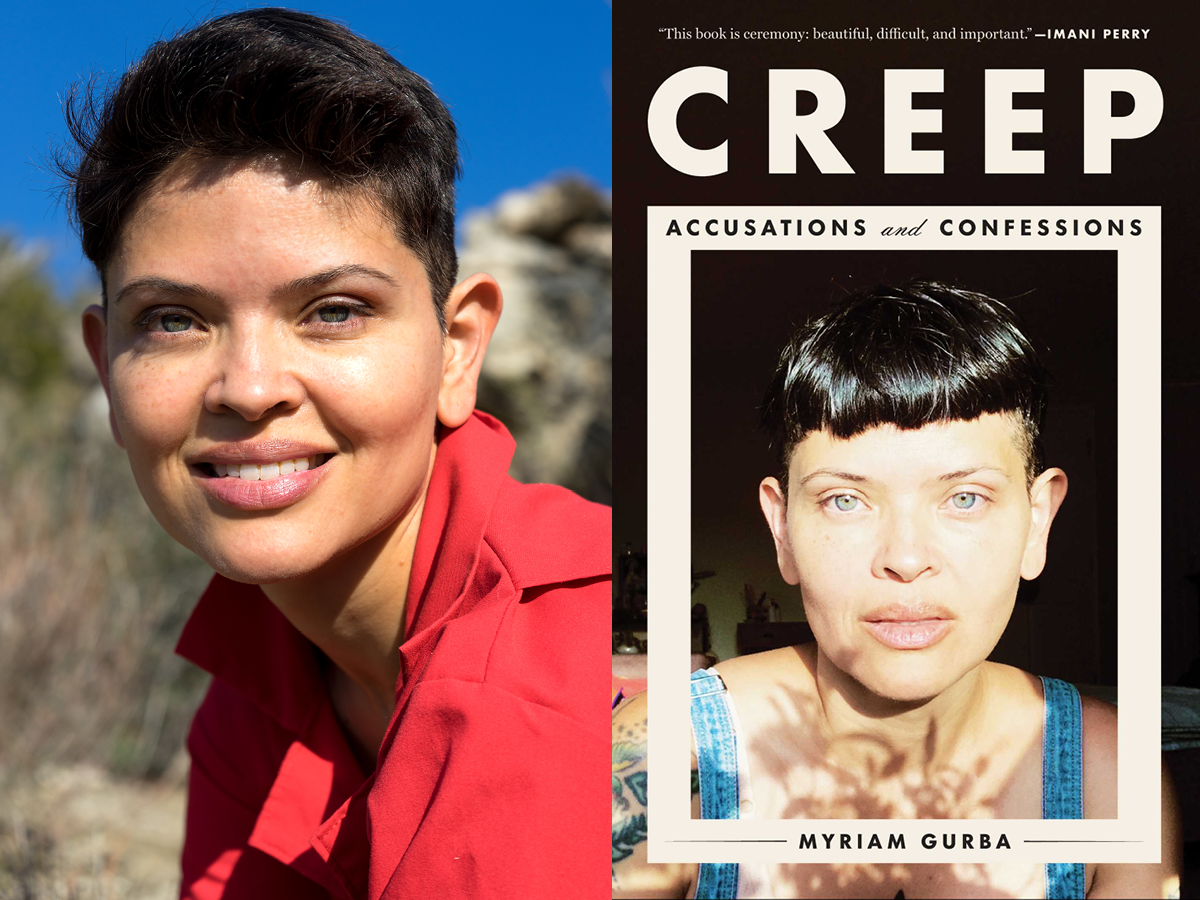
A Normal Interview with Myriam Gurba by Monique Quintana

February 1, 2024

A Gothic style is ideal for narrating the conquest of the West because it’s a horror story that continues to unfold. Horror tropes that have their roots in the Gothic are ideal mechanisms for that type of narrative.

Read More
In Interview Tags Myriam Gurba, Interview, author interview, 2024 February

A Normal Interview with Ghassan Zeineddine by Lena Mubsutina

November 8, 2023

I have always loved creating different kinds of characters from various generations, genders, sexual orientations, and socioeconomic classes. I think it’s just a matter of doing those characters justice and treating them with empathy and compassion.

Read More
In Interview Tags Ghassan Zeineddine, Interview, Lena Mubsutina, Fiction, 2023 December

A Normal Interview with Béatrice Szymkowiak by sami h. tripp

October 18, 2023

"I think art holds the power to shift and multiply perspectives, which the world desperately needs right now. Single-mindedness is dangerous. What I love about poetry in particular, is its capacity of subversion, of dissent, against ideas but also against language itself, as language and ideas are intertwined."

Read More
In Interview Tags Interview, Béatrice Szymkowiak, sami h. tripp, B/RDS, Poetry, 2023 November

A Normal Interview with Allegra Hyde by Mialise Carney

May 10, 2023

I think artists and writers are really important in terms of addressing the climate crisis. Everybody, ultimately, is important—it’s an all hands on deck kind of situation—but artists and writers have the ability to make sense of a problem that otherwise seems vast and intangible.

Read More
In Interview Tags Interview, Allegra Hyde, Mialise Carney, The Last Catastrophe, Short story, Fiction, 2023 October

A Normal Interview with KB Brookins by James O’Bannon

May 3, 2023

Rage is a thing that has to be birthed, because we do so much course correction – or at least my experience has felt like, at multiple times, someone has done something anti-Black to me, someone has done something racist, homophobic, transphobic, and I feel, in that moment, I can’t react the way that I want to.

Read More
In Interview Tags 2023 May, Interview, KB Brookins, James O'Bannon, Freedom House, Poems
An image of the author, Maya Pindyck is on the left. She is wearing a black sweater. Her book cover for "Impossible Belonging" is on the right.

A Normal Interview with Maya Pindyck by Caleigh Camara

April 12, 2023

"I think we grapple with those stories we cannot reconcile by writing them again and again, maybe each time with different 'others' in mind, and for a future people we hope to touch."

Read More
In Interview Tags Interview, 2023 April, A Normal Interview with Maya Pindyck by Caleigh Camara, Caleigh Camara, Maya Pindyck

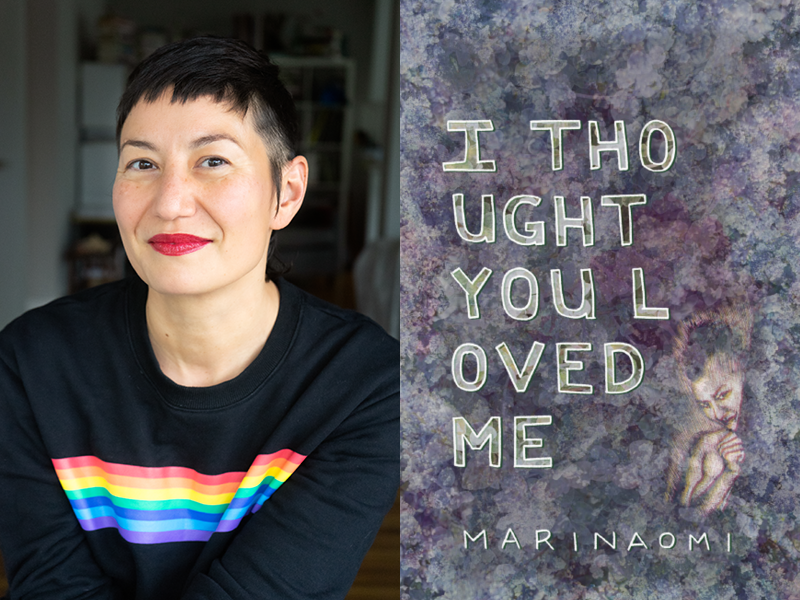
A Normal Interview with MariNaomi by Lee Lee

February 15, 2023

My first pieces were our letters and notes to each other, our photographs, and the boxes full of journals I read through, one by one. Once I put it all together, it felt significant. As I collected them, it felt like a scavenger hunt.

Read More
In Interview Tags Interview, 2023 February, A Normal Interview with MariNaomi by Lee Lee, Lee Lee, MariNaomi, BIPOC, LGBTQIA+

A Normal Interview with Will Betke-Brunswick by Sydney Allison Hinton

January 4, 2023

"People expect mammals to smile and frown, to have expressive eyebrows, and to make certain gestures with their hands, arms, and front legs. Drawing flightless birds frees me from so many expectations and gives me more space to play."

Read More
In Interview Tags Interview, 2023 January, Will Betke-Brunswick, Sydney Allison Hinton, A Normal Interview with Will Betke-Brunswick by Sydney Allison Hinton, Nonfiction

A Normal Interview with Katie Ives By Rosie Bates

December 7, 2022

Climbing can be an enticing pursuit for writing because a climb is a natural story… Basically, anytime you go on a climb, even if it’s just a backyard climb, you’re tracing a narrative or the form of a narrative arc with your hands and your feet.

Read More
In Interview Tags Rosie Bates, Katie Ives, Interview, 2022 December, A Normal Interview with Katie Ives By Rosie Bates, Nonfiction
Left: Talia Lakshmi, smiling, wearing hoop earrings and a purple and white scarf. Her shirt is green. On the right: Cover of book, "What We Feed To The Manticore." Title in bold, black letters. Illustrations of blue tiger, roses. Background, yellow.

A Normal Interview with Talia Lakshmi Kolluri by Samina Najmi

November 2, 2022

I have always come to both reading and writing from a somewhat genderless space. What I mean is that both writing and reading have been mechanisms for me to try on different lives and experiences.

Read More
In Interview Tags Interview, A Normal Interview with Talia Lakshmi Kolluri by Samina Najmi, Talia Lakshmi Kolluri, Samina Najmi, 2022 November, Fiction
Left: Manuel Muñoz with hand on head, wearing jean jacket. Right: Book cover of "The Consequences." Black background, two golden feathers in center.

A Normal Interview with Manuel Muñoz by Manuel Farias

October 11, 2022

"What we think is a really small, isolated place turns out to be the center of somebody else’s world."

Read More
In Interview Tags A Normal Interview with Manuel Muñoz by Manuel Farias, 2022 October, Manuel Muñoz, Manuel Farias, Fiction, Interview

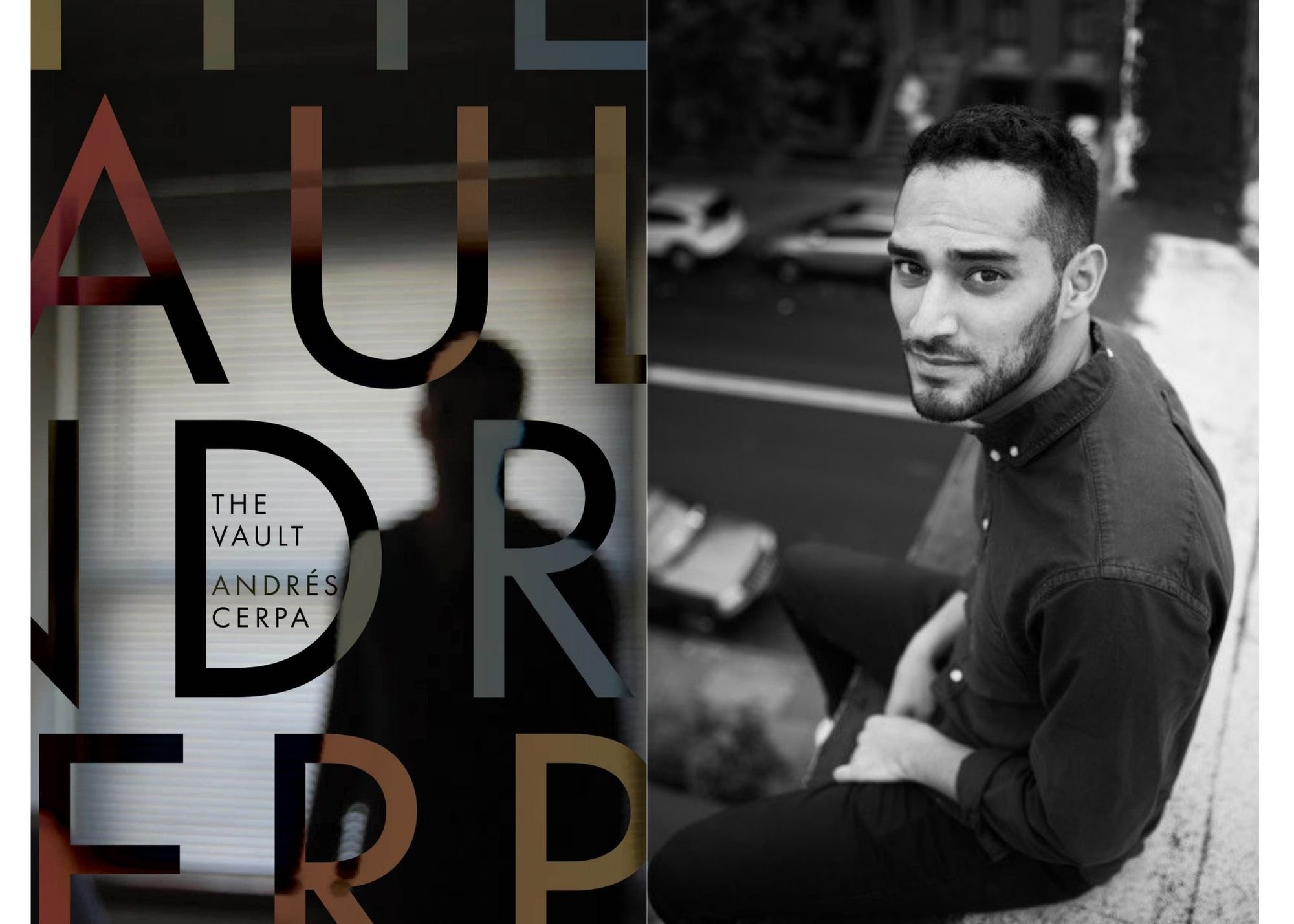
A Normal Interview with Andrés Cerpa by Rebeca Abidail Flores

December 8, 2021

Constructing the book is a device for me as a writer to enter it more fully. I like to drop myself in. If I’m there mid-sentence, mid-story, if everything is kind of jumbled, then maybe I can catch the momentum that I had previously and continue on riffing.

Read More
In Interview, Newsletter Tags A Normal Interview with Andrés Cerpa, Rebecca Abidail Flores, Andrés Cerpa, Interview, 2021 December
JAH Headshot-Cover Side by Side Rectangular.jpg

A Normal Interview with Jubi Arriola-Headley by Arielle K. Jones

June 13, 2021

Kink has a more expansive meaning. … Kink as just that, sexual kinkiness. Kink as, the kink in Black folks’ hair. Kink as, a kink in the system. Kink as in, broke. So, I play off all the different ways that kink is a thing that we think about.

Read More
In Interview Tags Normal Interview, A Normal Interview with Jubi Arriola-Headley, Arielle K. Jones, Jubi Arriola-Headley, Interview, 2021 June, poet, original kink, poems
Older Posts →

Powered by Squarespace