
May
I wept when the doctor gave me a name for what was causing
the bloated pink growths to bloom unchecked across
the field of my organs, for the thin constant pain that sang
like a goldfinch through each season. I wept to see the white
scars on scans of my appendix, stomach, ovaries, like fingernail
clippings, like Queen Anne’s Lace. I wept when I learned
that my body knew deep in its cells that I was not a woman –
and I wept because my body, too, was trying to shed its gender
despite great pain. My lover wept when I sat on the floor
in the produce section, too tired
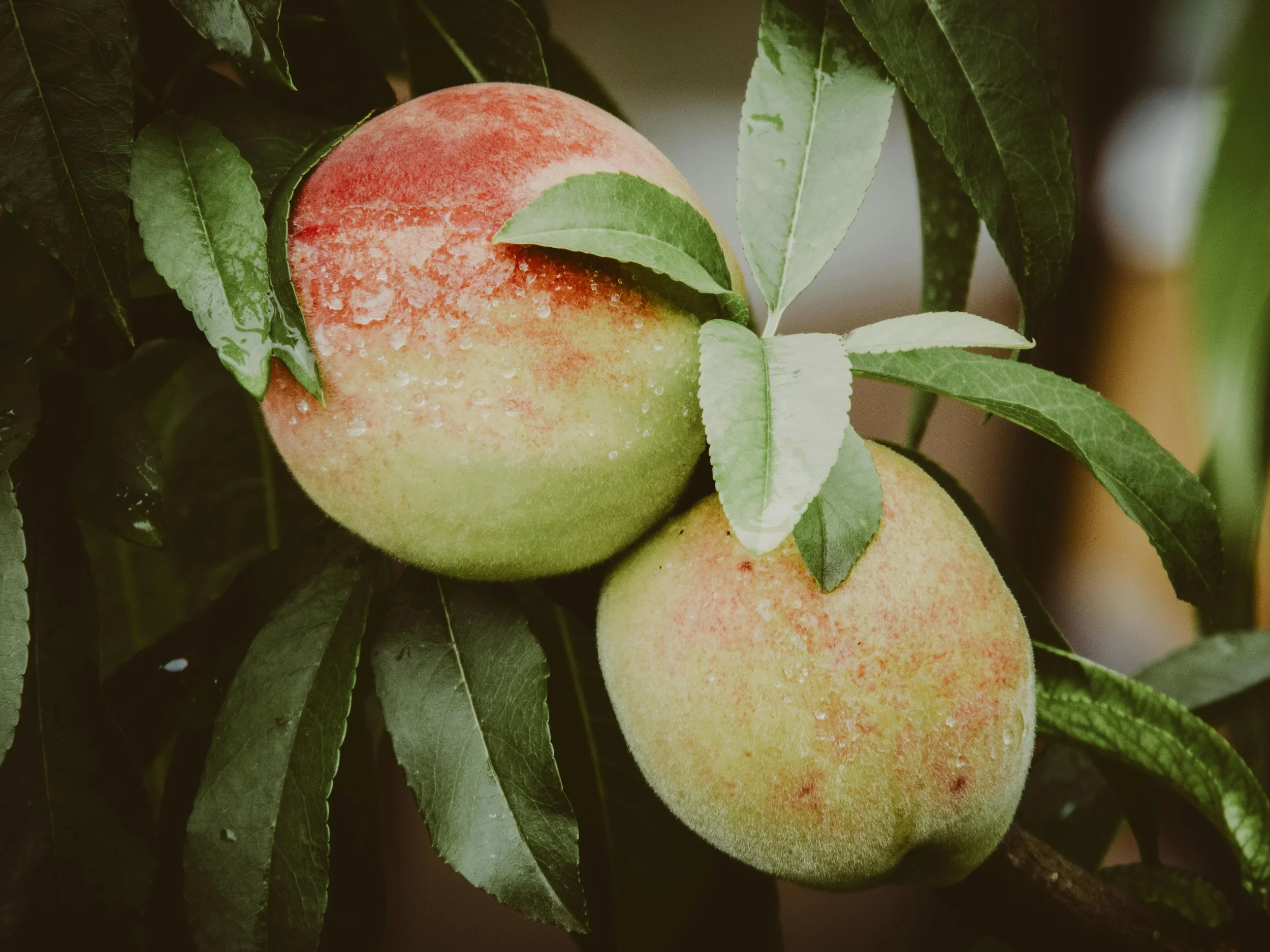
to squeeze peaches or smell the glossy gold backs of mangoes.
My body wept because pain was stuck in it like a dead seed
in a furrow. My body wept when it learned that pain does not germinate.
My body and I wept together because the pain was not a beginning nor
an end, wept because it was to become mundane, routine.
Great pain, we thought – my lover and I –
great pain like this is momentous. An occasion. My lover wept
at this new, absurd companionship. We thought
monuments could be built dedicated to such pain, but the monuments
became clay, became rot, became memory. I wept in the store
when I felt it again two weeks post-surgery – sudden, glancing, bright –
when the rye loaf I held became heavy in my hands,
when everything I touched seemed to wilt. I wept at the vast
cyclicity of pain. Its doggedness. And together we wept – my body and I –
at this, the first moment we had ever truly understood
each other. We wept with my hands curled on my stomach,
cupping the air as if we could pull out what felt like a knife.
The ghost knife wept, knowing nothing could touch it.
January
What if, I thought, what if I could carry my life like this, swaddled
& fortified with some sort of grit, or spirit, what if I could germinate
after years of blank dirt, but even the bud of an almond can
be killed by too much honey stinging it.
Even an open palm is not necessarily intimacy.
To be yoked by a force much stronger than I am & brought
into the service of the holy thru brute strength. To orient
myself at an angle from destruction again & again. Taproots unfurl,
hit compacted dirt, die of exposure: Winter came
while my back was turned in the business of repairing my life. Still
the body tolls its past-pain echoes
in the hips
the brain
grafting comes later
To be trans is to live where the earth is ordinary: to love a worked-over soil.
Winter crops include
lettuce, cress, garlic
Winter crops include
fruit that thrives in exposure to the bitter
seeds that like to be buffeted
in Winter memories are fermented & nutrient-dense. If a tree is not fertile wedge a chip of pine in its bark and the tree will enclose it.
To be trans is to declare your ripeness:
I am reintroducing myself again, hello, &
each time my name comes out of my mouth a piece
of my joy floats off like a satellite like a rind
walnuts are the most prolific when replanted numerous times, & what else could I wish for than to be innumerable?
Ash can bring softness anywhere it’s lacking. To be trans
is to induce softness everywhere you go. I was afraid of what
could be passed by being tender to a stranger but you can pass right
thru & beyond that is another door: like
the West mountains wearing their tender veil of pollution obscuring the snow, lacy & fine,
a sucking sulphureous taste in your lungs.
Like any good scar, the trees across the mountain’s back are a neutral reminder
of great past pain.
Late January: graft quinces,
graft peaches,
graft wild cherry,
pieces of your life chipping off into conversations
pieces of you chipping off like a pine tree before its bad branch is amputated
Salt anything you want to keep: turnips, ham.
You can preserve whatever will sit still long enough
to leave an impression.
Anna Newman holds an M.F.A. in poetry from the University of Maryland. Their work has appeared or is forthcoming in Best New Poets, Poetry Northwest, Hayden's Ferry Review, RHINO, and elsewhere. They are the recipient of the Nature and Place Prize from Frontier Poetry, judged by Amaud Johnson. They live in Salt Lake City, Utah, where they are a poetry reader for Quarterly West.