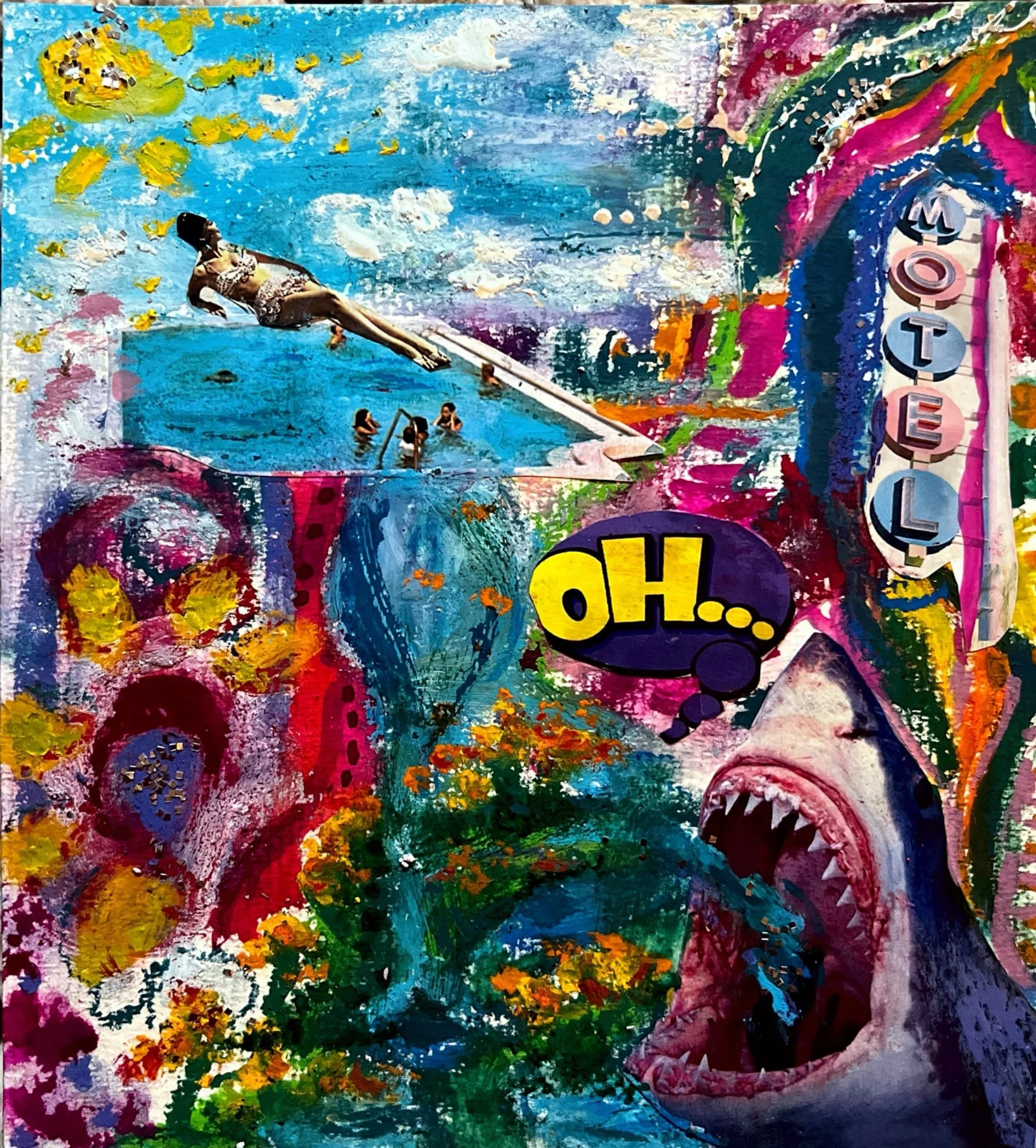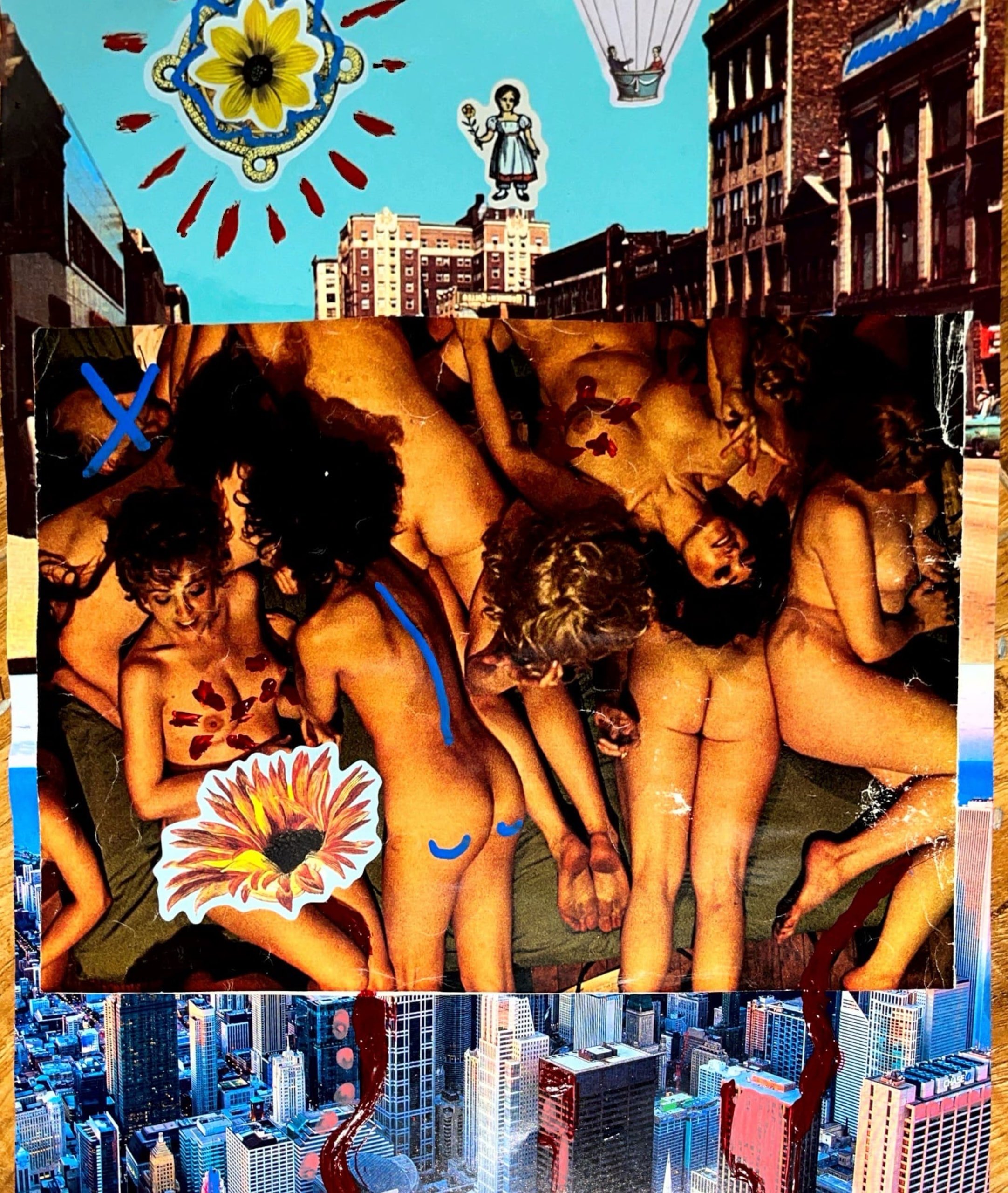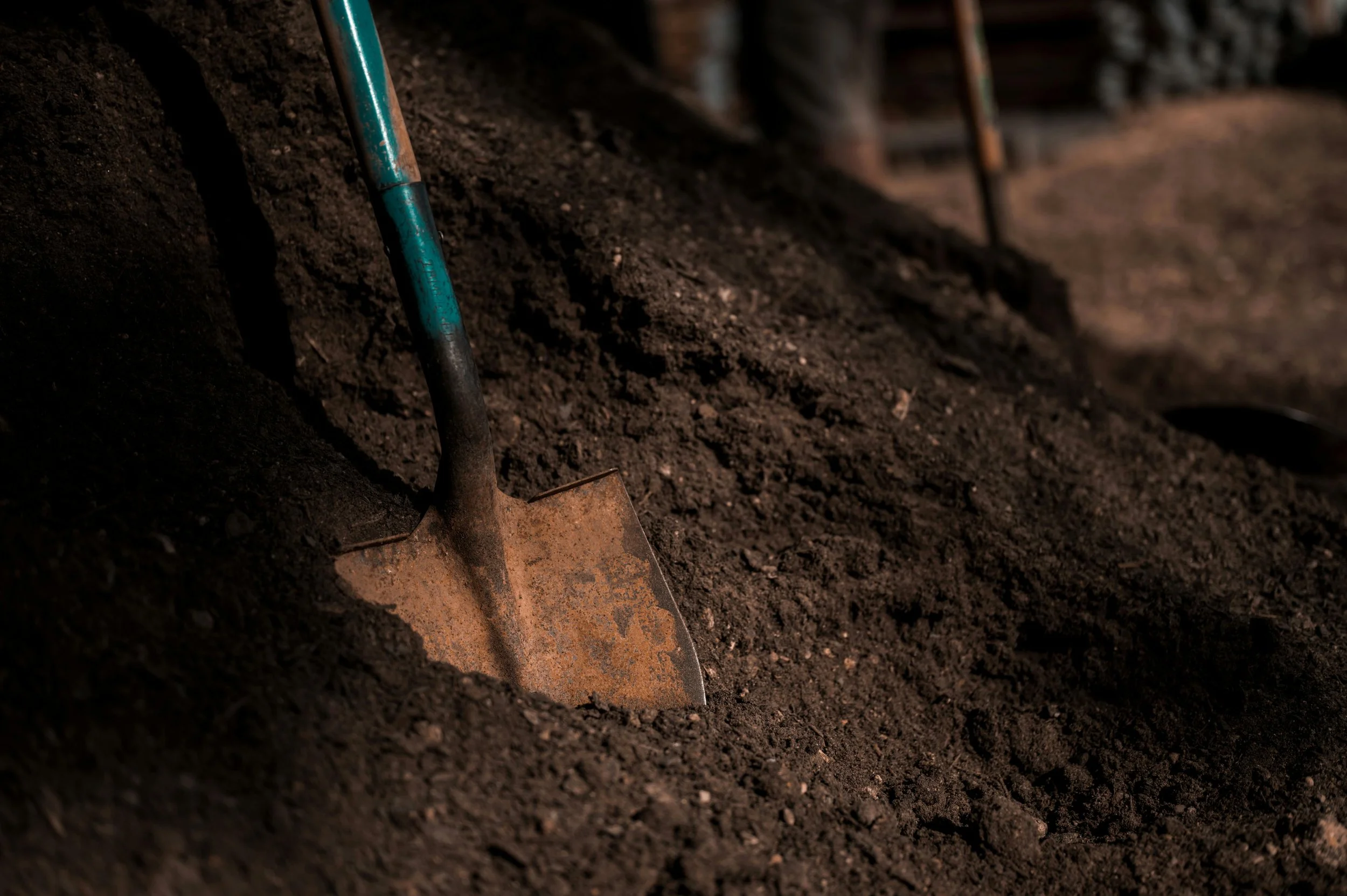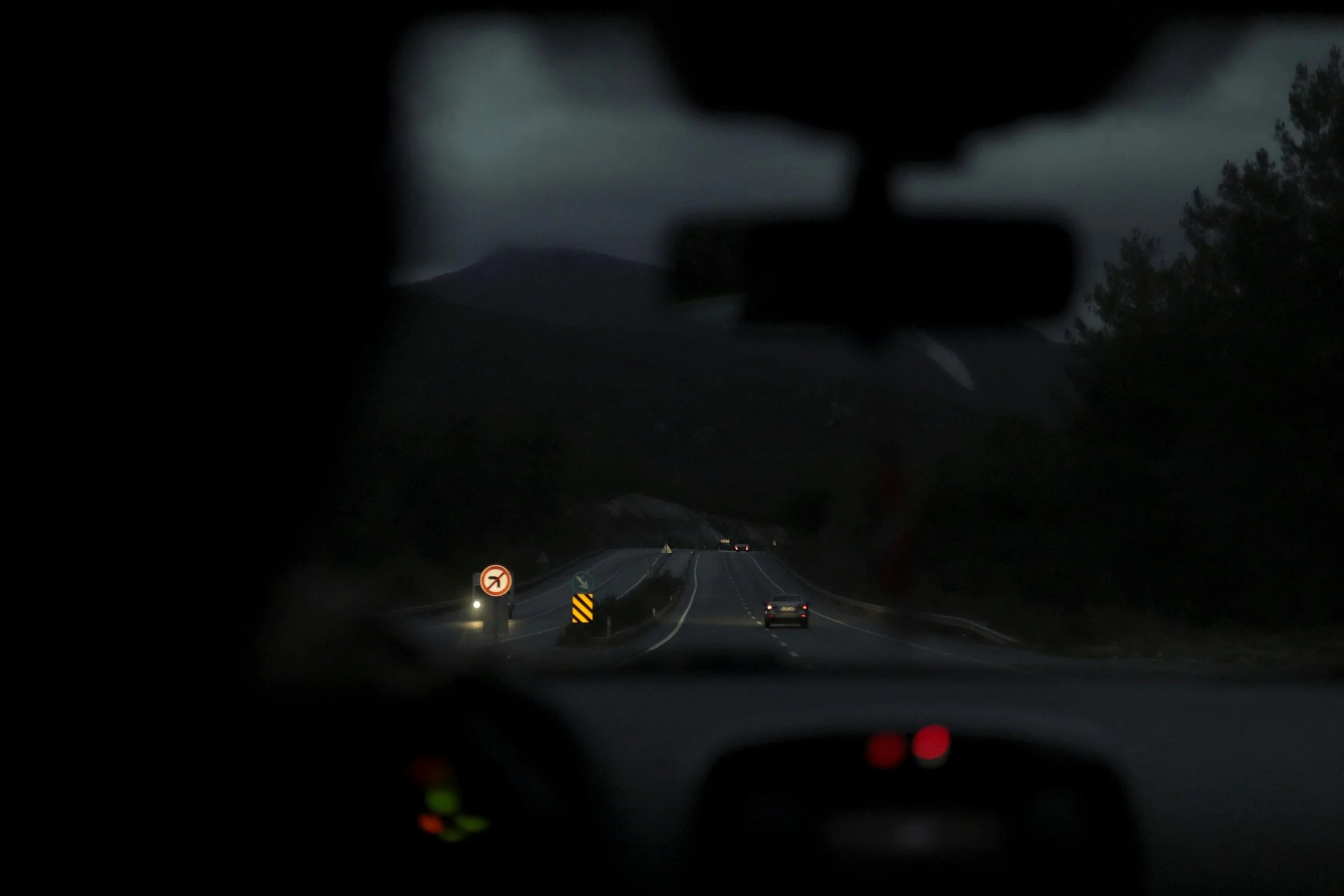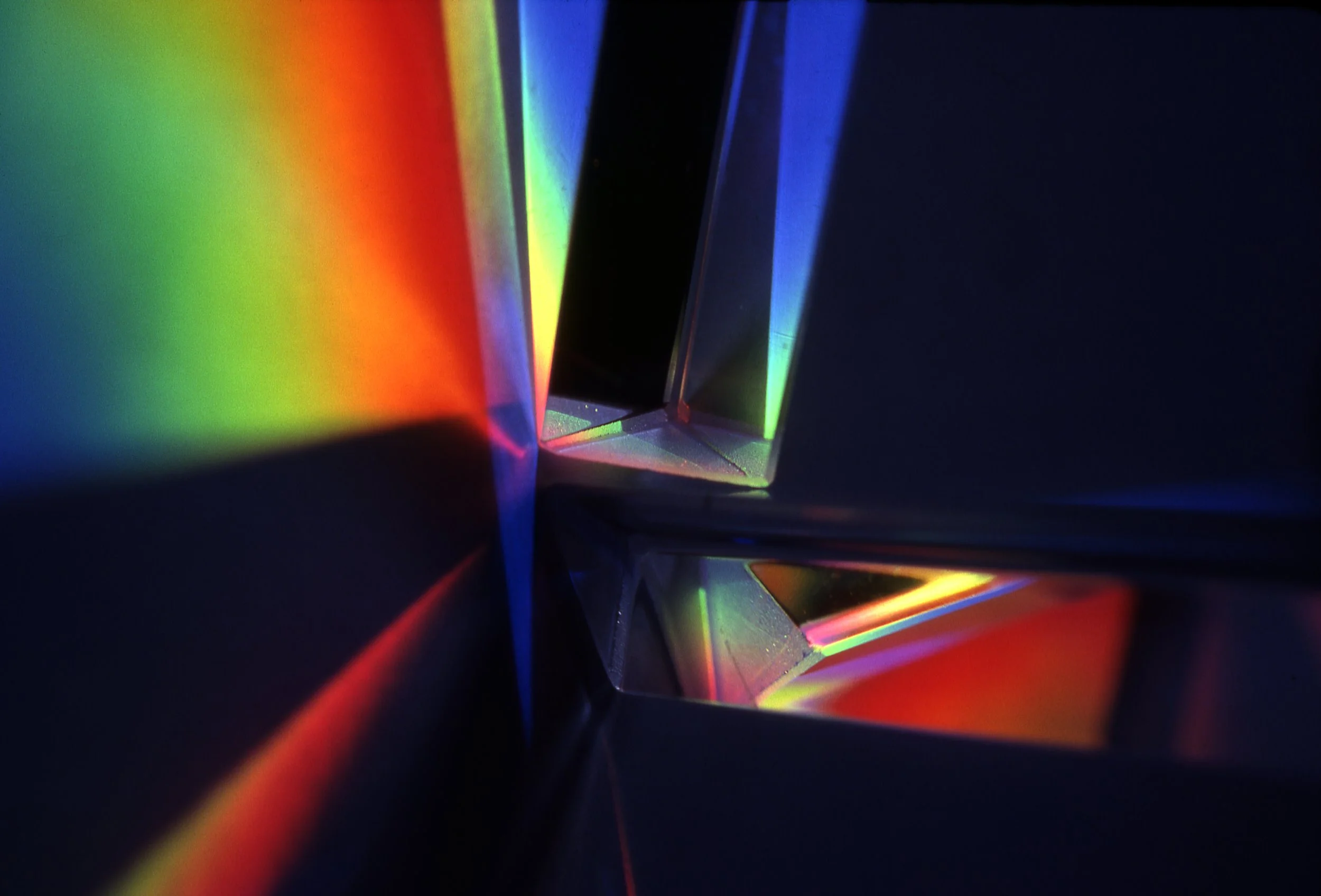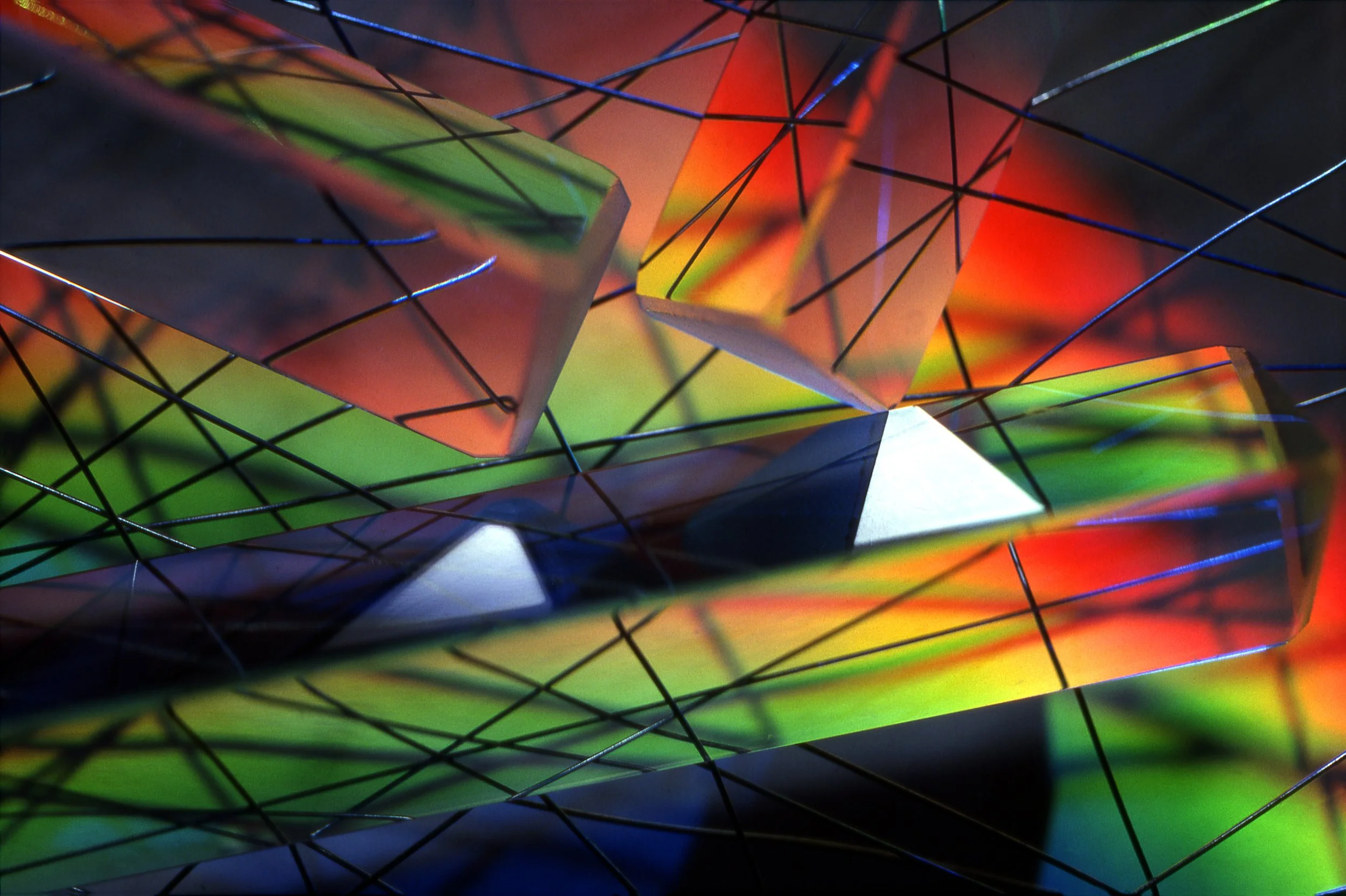
Jim Ross jumped into creative pursuits in 2015 after rewarding career in public health research. With graduate degree from Howard University, in ten years he's published nonfiction, fiction, poetry, photography, hybrid, interviews, and plays in 200+ journals on five continents. Photo publications include Alchemy Spoon, Barnstorm, Burningword, Camas, Feral, Invisible City, Orion, Phoebe, Stonecoast. Photo-essays include DASH, Kestrel, Litro, NWW, Pilgrimage, Sweet, Typehouse. His most recent interview, published by Terrain.org, was conducted with an artist. A Best of the Net nominee in Nonfiction and Art, he also wrote/acted in a one-act play and appeared in a documentary limited series broadcast internationally. Jim’s family splits time between city and mountains.
Explore more on Instagram @abracadabra5476